NO/FOMO

Independent AI signal, once a day

The AI briefing worth opening.

ISSUE DATE2026-10-04ENGLISH EDITION
This issue
—
All time
—

AI Blog

2 stories
01

ClusterMAX 3.0 compares the operational side of GPU clouds

ClusterMAX 3.0 compares the operational side of GPU clouds

SemiAnalysis presents ClusterMAX 3.0 as a detailed rating of GPU cloud providers worldwide, covering reliability, performance, support, pricing, and security. Published September 23, this is background analysis rather than a new October 4 launch. It remains relevant to teams choosing infrastructure for model workloads because procurement involves more than accelerator specifications. The collected description does not expose provider rankings or underlying measurements, so this edition does not infer winners from the article's headline.
02

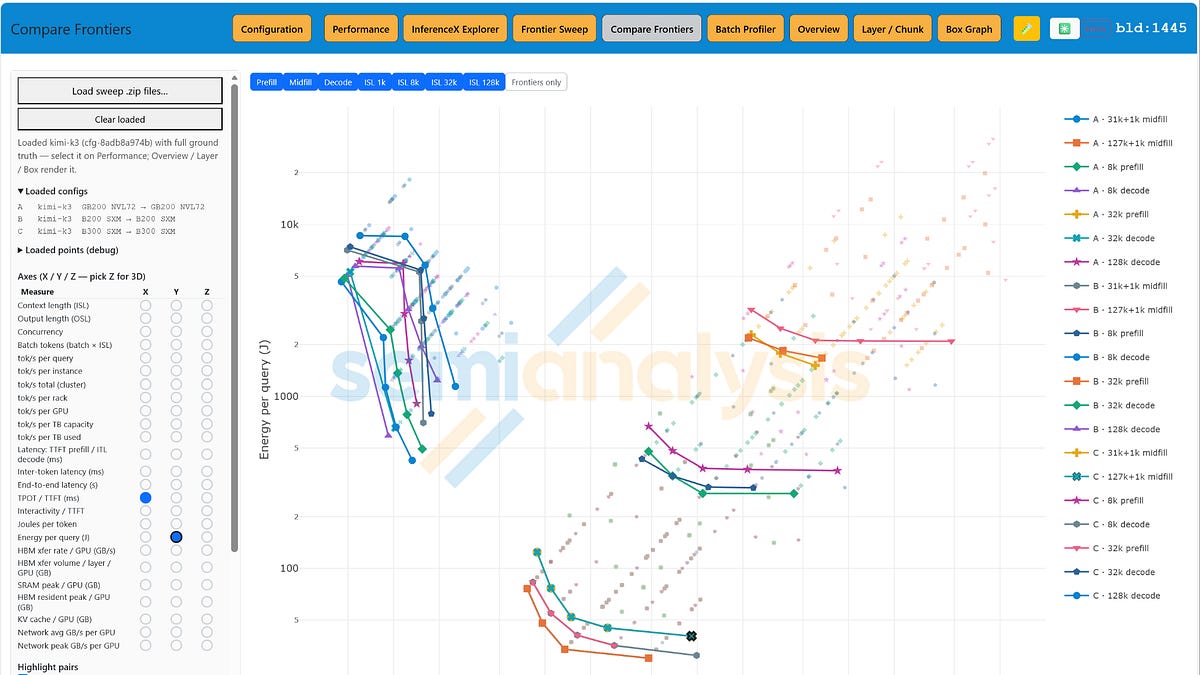
SemiAnalysis examines computation and data movement in MoE inference

SemiAnalysis examines computation and data movement in MoE inference

SemiAnalysis outlines how mixture-of-experts models map onto inference hardware, emphasizing structure, flow, and efficient serving. The September 21 article supplies background for current interest in running larger models on constrained hardware. Its central framing is useful: inference depends on where data moves as well as where arithmetic happens. The collected summary contains no benchmark table or implementation recipe, so it supports the topic's relevance without validating any particular throughput claim in today's projects.

Hacker News

5 stories
01

Simon Willison calls for default hard spending caps

Simon Willison argues that hard budget caps should become a default feature across services. The post drew 550 points and 283 comments on Hacker News at collection time, making it one of the day's strongest relevant discussions. For teams deploying agents that can repeatedly invoke paid tools, the argument raises a concrete product question: whether spending limits actually stop execution or merely alert an operator after costs accumulate.

02

Strata claims fast Qwen inference on an RTX 4090

Strata claims fast Qwen inference on an RTX 4090

A Strata submission on Hacker News claims it can run Qwen 3.8 Flash Next, described as a 125-billion-parameter model, on consumer RTX 4090 hardware at 100 tokens per second. The submission attracted 302 points and 158 comments. These are the project's advertised figures, not independently reproduced measurements. The claim makes memory requirements, model configuration, and reproducible throughput testing central questions for developers considering local inference instead of hosted access.

03

Anthropic meeting with religious scholars draws scrutiny

A New York Times report about religious scholars meeting with Anthropic became a prominent Hacker News discussion, with 142 points and 345 comments at collection time. The story places questions about AI and moral reasoning before a broader audience than model researchers alone. The collected listing establishes the reported meeting, but does not establish that Claude is conscious or that participants agreed on any position about machine moral status.

04

SCM brings AI search to photos and video frames on macOS

SCM brings AI search to photos and video frames on macOS

A Show HN submission presents SCM as an AI search tool for photos and individual video frames on macOS. The GitHub-linked project attracted 75 points and 40 comments at collection time. Its focus is retrieval across an existing visual collection, a useful complement to tools that generate new media. The collected listing does not specify indexing performance, model choice, or privacy guarantees, which remain key details to check before using it with a personal archive.

05

gVisor donation to CNCF puts sandbox governance in focus

An official gVisor blog post announces its donation to the Cloud Native Computing Foundation, and the story appeared on Hacker News on October 4. For developers building systems that execute code, including AI agents, sandbox infrastructure is an important dependency to track. The collected listing identifies the governance move but provides no new security benchmark. Foundation stewardship should therefore be considered separately from the isolation properties of any particular deployment or configuration.

Twitter

7 stories
01

François Chollet challenges an argument for AI consciousness

François Chollet challenges the inference that because consciousness involves computation, computational AI models are therefore likely conscious. He compares that reasoning with treating a rock as alive merely because living organisms also contain atoms. His October 4 post drew more than two thousand likes. The contribution is a critique of an argument, rather than experimental evidence about sentience, and sharpens the distinction between shared ingredients and demonstrated properties in current AI debates.

02

Gary Marcus questions the leap from AI investment to GDP forecasts

Gary Marcus questions the leap from AI investment to GDP forecasts

Gary Marcus warns against presenting a plausible increase in AI capital expenditure and a much more speculative doubling of GDP as if both had the same likelihood. His October 4 post frames this as a recurring rhetorical move in technology discussions. The practical distinction is between money committed to infrastructure and economic gains actually realized. The post offers criticism of forecasting rhetoric, not a quantitative model proving what future growth will be.

03

Nathan Lambert questions whether frontier pacing is workable

Nathan Lambert says pacing frontier AI development sounds attractive in principle but is difficult to implement. He asks which benchmarks would be restricted and who would participate, and points to research on swarms and efficiency as alternative directions if capability work slows. His argument highlights the operational problem behind a broad policy slogan: defining what counts as progress and deciding how restrictions would cover routes that improve useful systems without simply enlarging models.

04

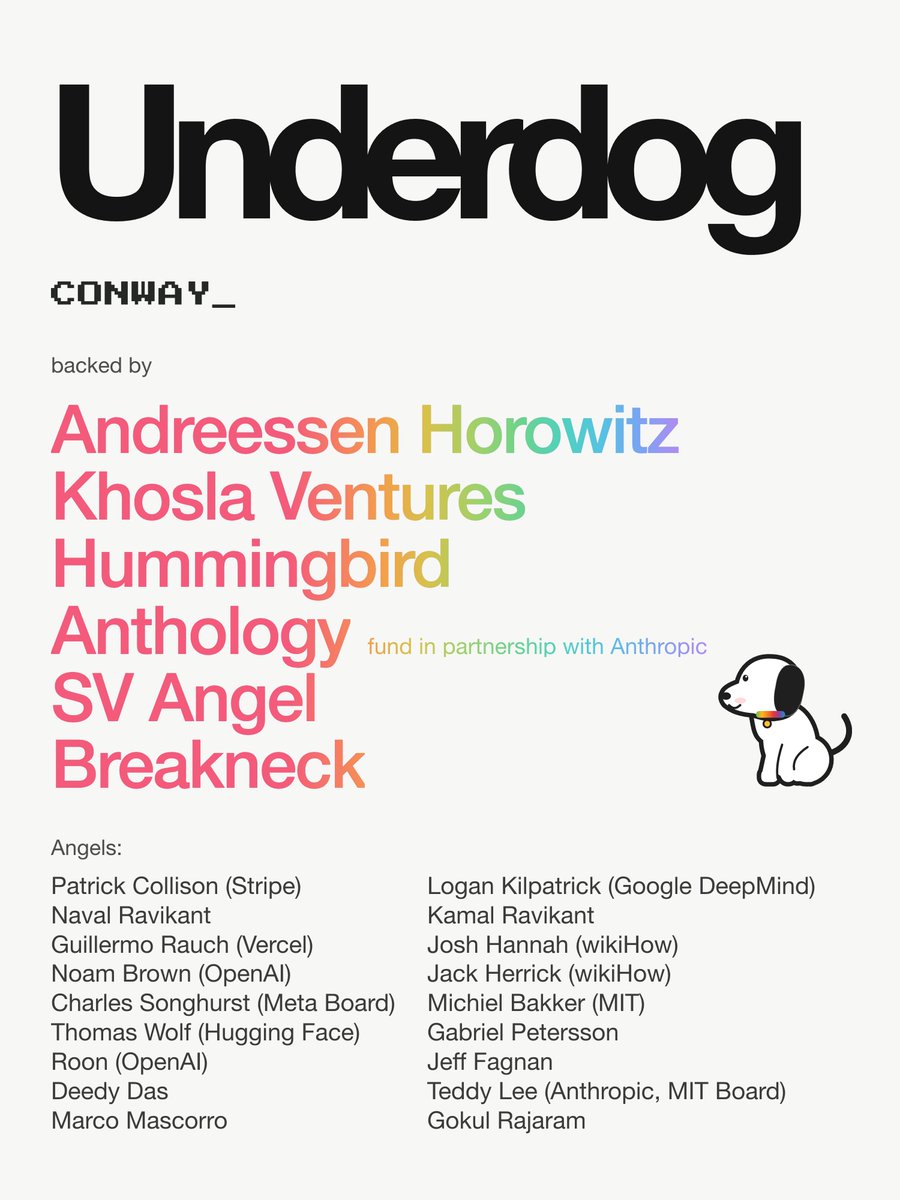
Thomas Wolf highlights on-device personal AI with Underdog

Thomas Wolf highlights on-device personal AI with Underdog

Thomas Wolf argues that most personal AI should run on the user's own device and highlights Sigil's Underdog, which he says is powered by the Hugging Face Hub. The post is an endorsement of a deployment direction rather than a detailed performance report. Alongside interest in consumer-hardware inference, it signals demand for personal tools whose usefulness depends on local access and integration, with hardware requirements and privacy properties still requiring product-specific evaluation.

05

An 8B model targets locally generated scientific reports

An 8B model targets locally generated scientific reports

Kyle Wiggers describes an eight-billion-parameter model intended to generate scientific reports with citations locally. The short announcement supplies the model size and intended workflow, but does not provide evaluation results or enough detail to establish citation accuracy. The useful direction is clear: moving research assistance onto local infrastructure. For scientific users, assessing whether cited sources support each claim remains as important as the ability to produce a polished report on device.

06

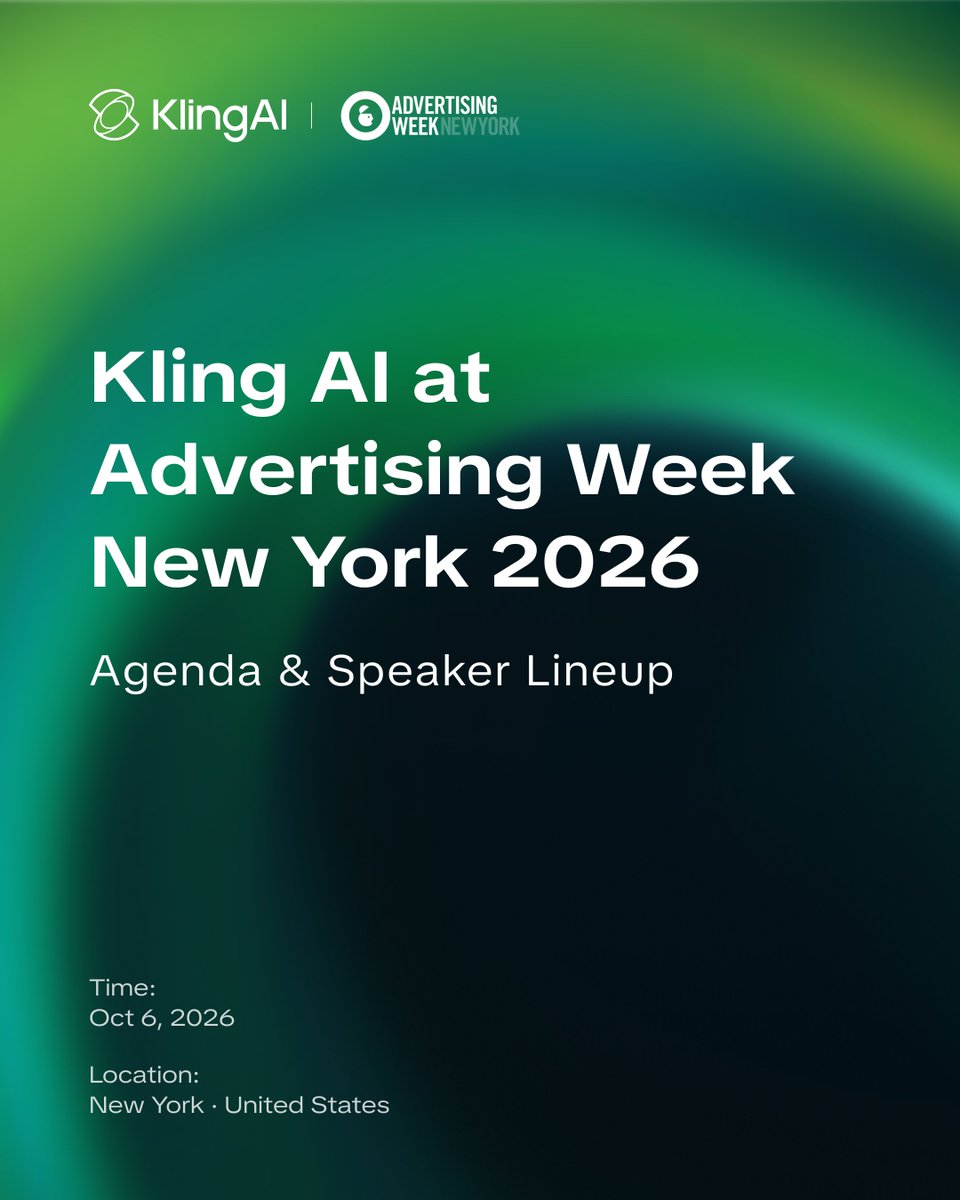
Kling previews an October 6 event ahead of Kling 4.0

Kling previews an October 6 event ahead of Kling 4.0

Kling AI says it will appear at Advertising Week New York on October 6 for a panel about scaling creative production. Its October 4 announcement explicitly places the event ahead of the launch of Kling 4.0. This is a schedule and positioning update, not confirmation that the new model is available. Creative teams following generative video can watch for concrete release details, especially capabilities and production controls that the collected announcement does not yet specify.

07

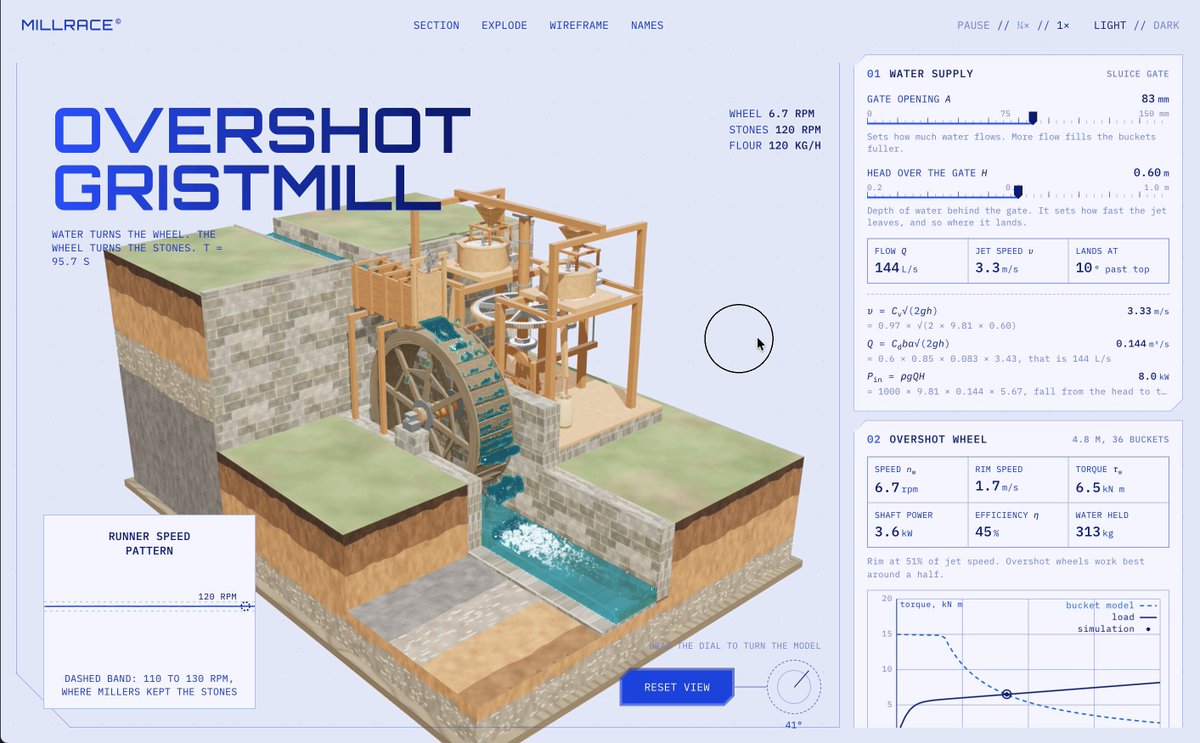
Claude showcases a watermill built with Opus 5.5

Claude showcases a watermill built with Opus 5.5

Claude's official account highlights a working watermill built with Opus 5.5 as one example of recent user creations. The demonstration drew more than ten thousand likes and over four thousand bookmarks at collection time. It illustrates interest in using models for concrete making and prototyping. The short post does not explain the complete construction process or isolate the model's contribution, so it should be read as a showcase rather than a controlled capability evaluation.

GitHub

2 stories
01

Text-to-CAD gives agents a design-oriented tool surface

Text-to-CAD gives agents a design-oriented tool surface

The text-to-cad repository describes its purpose as giving agents CAD capabilities. Written in Python, it appeared among the collected GitHub trending projects with 16,745 stars. The project points toward agents that produce structured design artifacts rather than only text or code. The available repository description is brief, so supported geometry operations, output formats, and engineering tolerances should be checked in the project before treating generated designs as suitable for fabrication or production use.

02

Marketing skills repository packages tasks for coding agents

Marketing skills repository packages tasks for coding agents

The marketingskills repository packages marketing-oriented skills for Claude Code and other AI agents, covering conversion optimization, copywriting, search optimization, analytics, and growth engineering. It had 52,915 stars in the collected GitHub snapshot. The notable pattern is the use of reusable task instructions to extend a general agent into domain work. Popularity does not establish business effectiveness, so teams should assess individual skills against their own content standards, data access, and measurable outcomes.