NO/FOMO

Independent AI signal, once a day

The AI briefing worth opening.

ISSUE DATE2026-10-09DEFAULT EDITION
This issue
—
All time
—

AI Blog

4 stories
01

Sophos reports 96% shorter threat investigations with Daybreak

An OpenAI customer story says Sophos reduced cyber-threat investigation time by 96 percent using Daybreak and automated 52 percent of managed detection and response cases while preserving human oversight. Those figures describe a specific deployment rather than an industry-wide benchmark. The example matters because it connects AI adoption to operational security workflows and measurable response work, where escalation quality and human review remain important alongside the amount of labor or time saved.


02

Anthropic Cyber Mission targets infrastructure and open-source defense

Anthropic Cyber Mission targets infrastructure and open-source defense

Anthropic introduced its Cyber Mission to improve defenses for critical infrastructure and open-source software. The initiative combines partnerships, access to defensive model capabilities and support for maintainers, including OSS Scanner. Anthropic argues that cheaper exploitation is outpacing slow vulnerability verification and remediation, particularly in operational technology. The announcement frames success around keeping essential services running and reducing exploitable paths, while acknowledging that fixes and broader defensive progress can take years.

03

SemiAnalysis questions China’s frontier safety disclosures

SemiAnalysis questions China’s frontier safety disclosures

SemiAnalysis argues that China's AI governance prioritizes rapid development while concentrating regulation on applications and outputs. Its review of 857 model releases from nine developers found 31 with published developer safety results and nine with results available at launch. The authors explicitly distinguish missing public evidence from an absence of testing. The analysis highlights a policy gap between detailed application rules and disclosure obligations tied to frontier model capability or training scale.

04

LegalOn reports lower Codex costs through model and budget choices

OpenAI's LegalOn case study reports a 65 percent reduction in estimated daily Codex costs while maintaining development speed. The company matched Astra, Sol and Luna to different tasks and managed budgets strategically. The useful operational lesson is that spending depends on workflow design and model allocation, not just a headline token price. The reported result is specific to LegalOn's deployment and should be treated as a customer case rather than a universal savings estimate.

Hacker News

5 stories
01

Fired OpenAI safety researchers dispute misconduct claims

Fired OpenAI safety researchers dispute misconduct claims

Jasmine Wang, Tomek Korbak and Mikita Balesni published an open letter disputing OpenAI's reasons for dismissing them, TechCrunch reports. They argue that unclear rules and fear of termination could chill collaboration with outside safety evaluators. OpenAI says the dismissals followed a pattern of mishandling research information and denies retaliation for raising safety concerns. The disagreement puts the governance of external safety research, internal disclosure and model monitorability under renewed scrutiny.

02

Deno team joins Cloudflare; runtime development gets a sunset timeline

Deno team joins Cloudflare; runtime development gets a sunset timeline

Ryan Dahl announced that the entire Deno team is joining Cloudflare to work with its Workers and Durable Objects teams. Deno will receive monthly security and bug-fix releases for one more year, while Deno Deploy will operate for six months before shutting down. JSR will continue on Cloudflare infrastructure. The shared platform emphasizes persistent state and serverless execution, capabilities Dahl highlights as useful for agent harnesses and distributed applications.

03

Report links Iranian influence campaign to ChatGPT-generated articles

The Washington Post reports that an Iranian campaign used ChatGPT to plant fabricated articles in real US publications. The story attracted substantial discussion on Hacker News and raises a concrete distribution question for generative AI: synthetic material can gain credibility through an established publication's identity. The collected headline supports the reported allegation, but does not establish the campaign's scale or effectiveness. Those details should not be inferred from the submission alone.

04

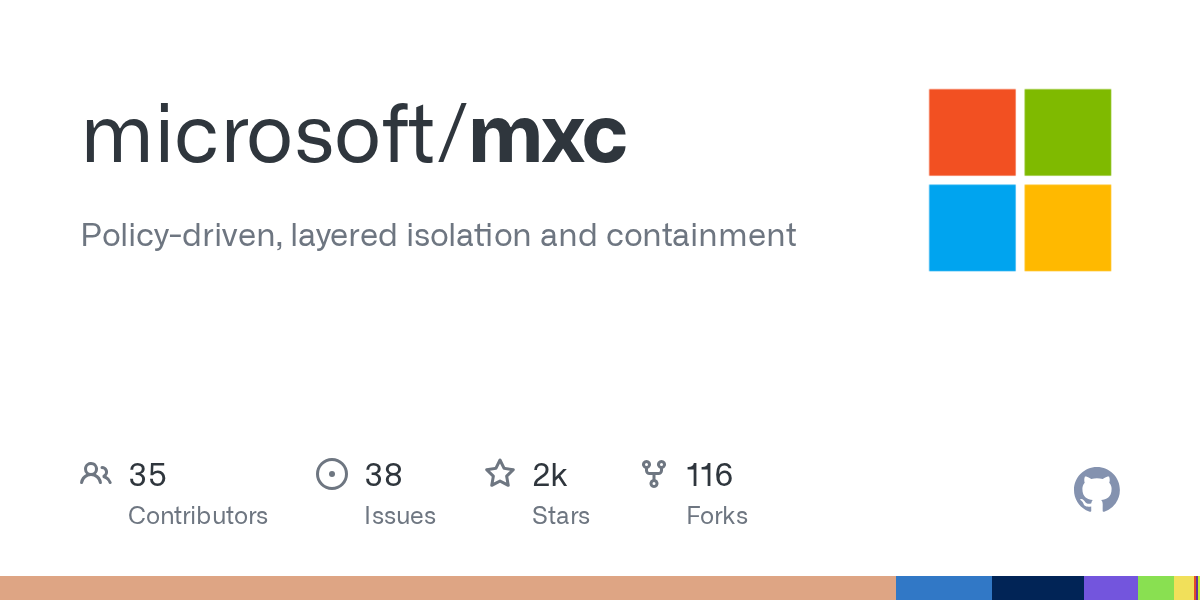
Microsoft MXC unifies policy-driven code containment

Microsoft MXC unifies policy-driven code containment

Microsoft's MXC is a sandboxed execution system for untrusted code, including model output, plugins and tools. It exposes multiple containment backends through a unified model and Rust, .NET and Node SDKs across Windows, Linux and macOS. Policies cover filesystem, network and user-interface access, with support for persistent container lifecycles. The project is relevant to agent hosts that need explicit execution boundaries while accommodating different operating systems and levels of isolation.

05

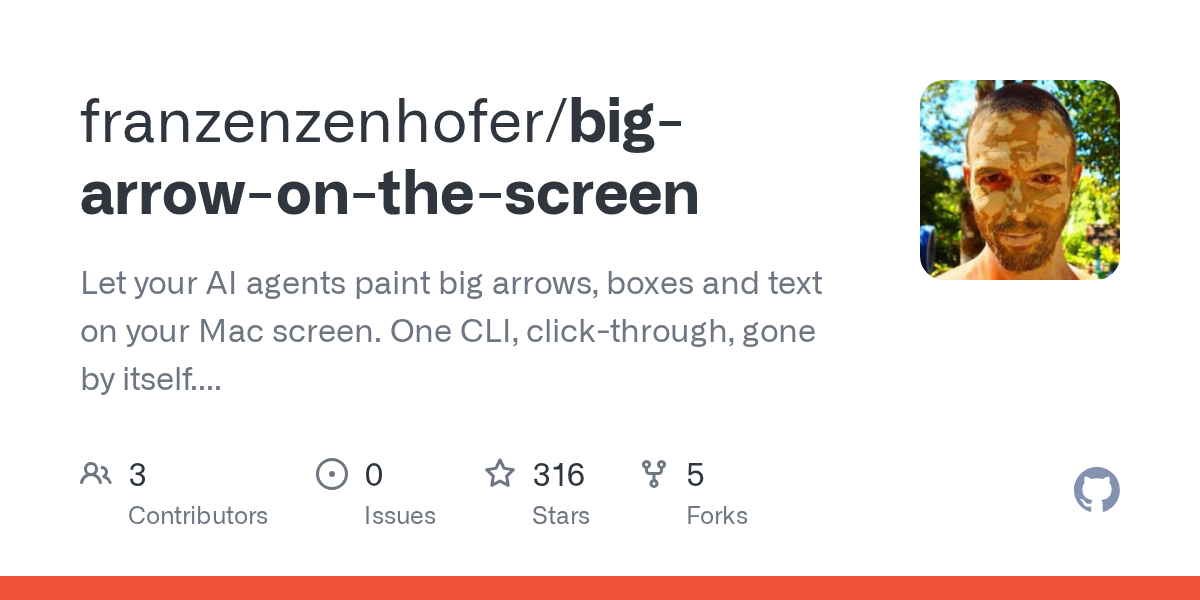
Screen annotations give agents a visible communication channel

Screen annotations give agents a visible communication channel

The big-arrow-on-the-screen project lets AI agents place large arrows, boxes and text on a user's screen, as described by its Hacker News submission. It drew substantial discussion in the day's collected results. The idea addresses a practical interface problem: an agent sometimes needs to indicate a location or explain a visual step directly. The collected material establishes that interaction concept, rather than evidence that annotations improve task success across applications.

Twitter

12 stories
01

Claude Managed Agents launches dynamic workflows in public beta

Claude Managed Agents launches dynamic workflows in public beta

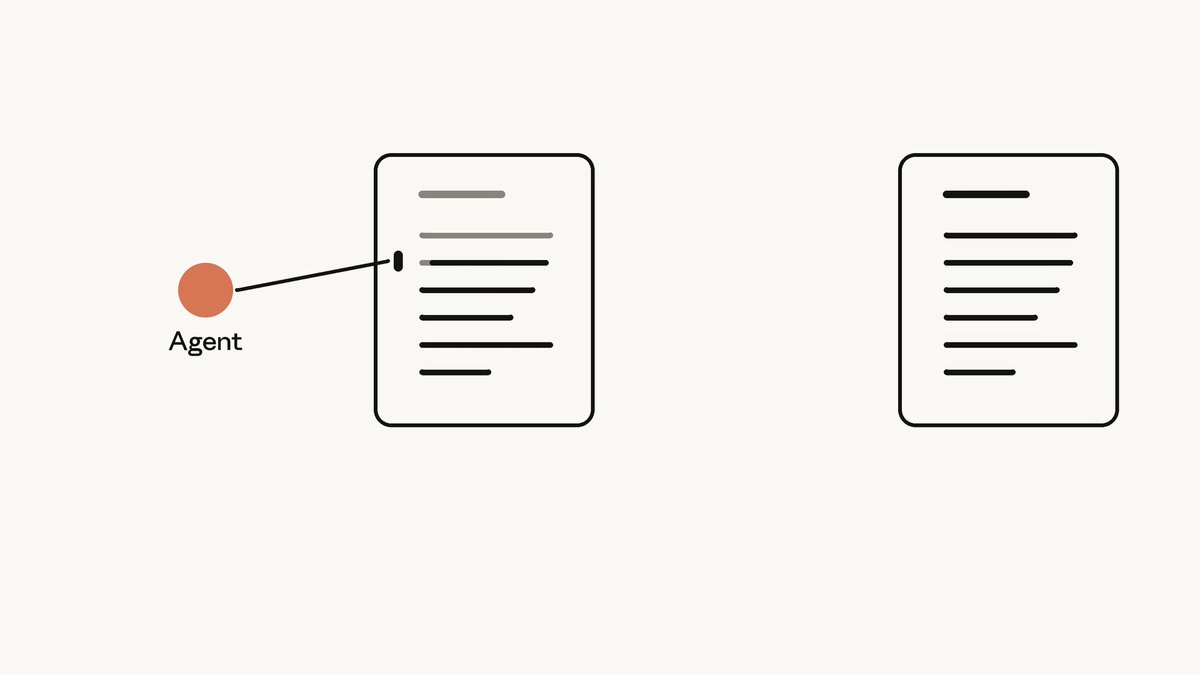
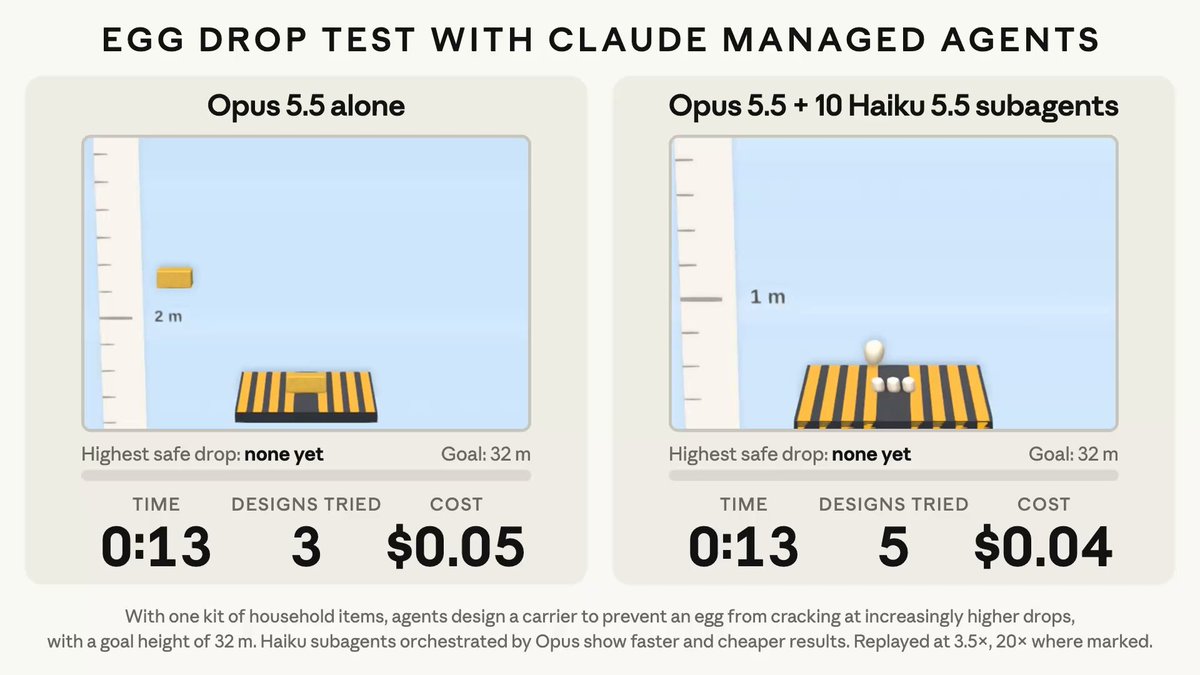
Anthropic's developer account announced public beta access to dynamic workflows in Claude Managed Agents. A lead agent writes a plan, distributes work across multiple agents in phases, and combines their results at the end. This makes orchestration an explicit part of the managed service. For developers, the relevant shift is from a single execution thread to coordinated stages whose intermediate work must fit together into a final result.

02

Claude Dashboards and Motion enter beta

Claude Dashboards and Motion enter beta

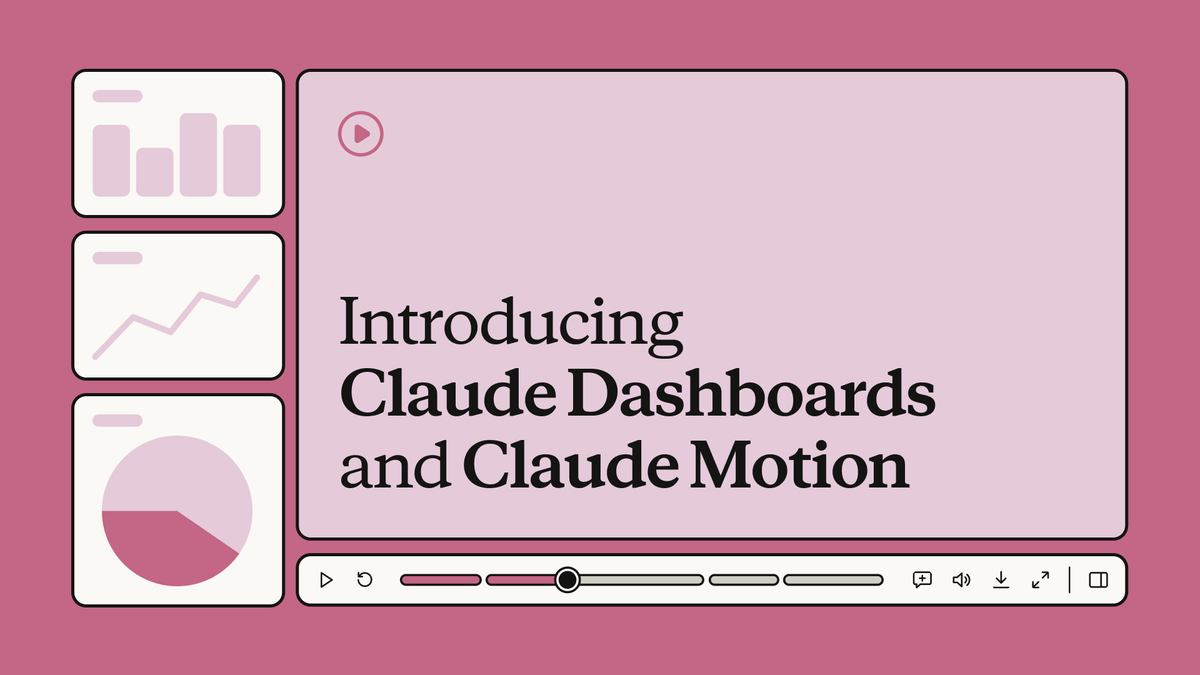
Claude's official account announced beta versions of Claude Dashboards and Claude Motion. The products turn user data into live dashboards and ideas into animated explainers, according to the announcement. This was one of the collection's most widely discussed product releases, with particularly strong engagement on X. The launch broadens the output people can request from a conversational interface, extending beyond prose into interactive data presentation and visual explanation.

03

Haiku 5.5 targets cheaper high-volume agent tasks

Haiku 5.5 targets cheaper high-volume agent tasks

Anthropic says Haiku 5.5 is available in the Claude Platform and Claude Code, with average running costs around 75 percent below Haiku 4.5. Its developer announcement recommends summaries, context compaction and database queries as examples of cost-sensitive workloads. It also positions Haiku as a subagent alongside Opus 5.5 or Sonnet 5.5. The cost figure is a vendor-reported average, rather than a guarantee for every application or workload.

04

Sonnet 5.5 cache-read price falls to $0.10 per million tokens

Anthropic says it has halved Sonnet 5.5 cache-read pricing on the Claude Platform to $0.10 per million tokens. The same post lists ordinary input at $2 and output at $10 per million tokens, and estimates roughly 20 percent lower costs for most agentic work. The change applies to the API; Claude Code usage limits are unchanged. Actual savings depend on how much of a workload can reuse cached input.

05

Google reports prospective clinical study of AMIE

Google reports prospective clinical study of AMIE

Google says its AMIE medical research system has been studied prospectively in a real-world clinical setting, with the study published in The Lancet. The announcement describes patients chatting with the conversational diagnostic system before an in-person encounter. This moves the discussion from retrospective medical benchmarks toward use within a clinical workflow. The collected post is incomplete, so it does not support specific claims about diagnostic accuracy, patient outcomes or regulatory approval.

06

Anthropic commits $150 million to the Genesis Mission

Anthropic commits $150 million to the Genesis Mission

Anthropic announced a $150 million commitment to the Genesis Mission, alongside plans to make Claude and technical support available to more than fifteen federal agencies. The announcement links model access with institutional support for scientific research and technological discovery. It is a material funding and public-sector deployment commitment, although the collected post does not describe agency-level allocations, procurement terms or specific scientific outcomes that the investment is expected to produce.

07

ChatGPT adds Intelligent UI for interactive answers

ChatGPT adds Intelligent UI for interactive answers

Greg Brockman introduced Intelligent UI as a ChatGPT capability for answering with fully interactive user interfaces. The short announcement identifies the interaction model but does not detail availability, supported components or deployment constraints. Together with other conversational visual tools, it points toward answers that users can manipulate directly. The useful product question is whether an interactive response makes the underlying task easier to explore, compare or complete than a static explanation.

08

Busabase proposes shared storage and workspaces for agents

Busabase proposes shared storage and workspaces for agents

François Chollet highlighted Busabase, an MIT-licensed open-source database and workspace for agents. The stated problem is that agent work often remains trapped in isolated chat histories, making results difficult to reuse across tasks. Shared storage could make those outputs available beyond a single conversation. The announcement establishes the project's intended role, but provides no benchmark or production evidence for collaboration quality, reliability or how well accumulated work improves future agent behavior.

09

Google Labs announces Playground game-creation experiment

Google shared a Google Labs announcement for Playground, an experimental gaming platform described as enabling people to create games without coding experience. The post drew strong repost activity in the collected X results. It is another example of generative interfaces moving from producing media toward building interactive experiences. Because the collected announcement is truncated, it does not establish supported game genres, publishing options, pricing or the degree of control available to creators.

10

Anthropic highlights Claude Science work on an ultraviolet sky map

Anthropic highlights Claude Science work on an ultraviolet sky map

Anthropic says an astrophysicist worked with Claude Science to create the first complete ultraviolet map of the sky. Its announcement contrasts the work with complete maps already available at other wavelengths and notes that large sky regions have not been observed in ultraviolet. This is a notable scientific-use claim, but the collected post does not explain how unobserved regions were handled or provide the methodology needed to assess the map's scientific validity.

11

Google shares public availability of SynthID Detector

Google shared an announcement that SynthID Detector is available to everyone, describing it as a way to check whether online content was generated using Google AI. This makes provenance checking a more visible part of the consumer AI workflow. The collected post is truncated and does not specify every supported content type. Its claim should not be expanded into universal detection of AI-generated material or proof that content without a detected mark is authentic.

12

OpenAI announces mathematical results from an internal frontier model

OpenAI announces mathematical results from an internal frontier model

OpenAI announced a broad release of new mathematical results produced by an internal frontier model, in a post shared by Lilian Weng. The release has prompted discussion about how AI-generated mathematics should be assessed and verified. The collected announcement does not supply the results, proofs or review process in full, so it cannot establish the scope of the advance. The key distinction is between announcing proposed results and demonstrating their correctness through expert scrutiny.

HF HuggingFace

7 stories
01

Learn2Play tests whether agents actually learn unfamiliar rules

Learn2Play tests whether agents actually learn unfamiliar rules

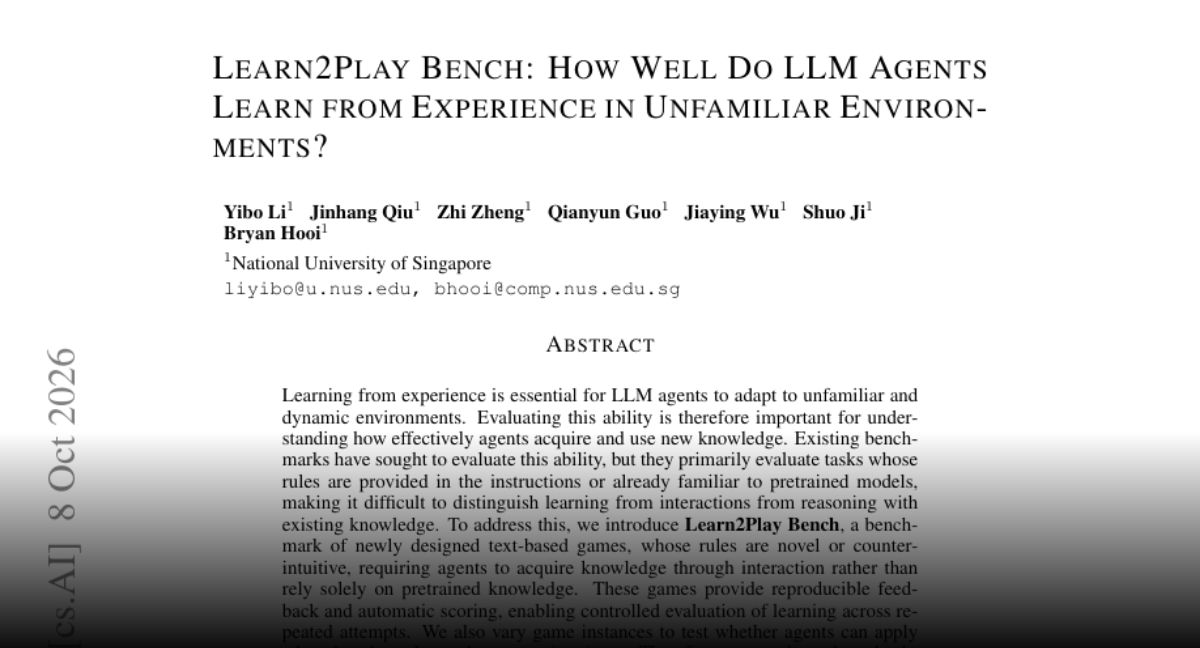
Learn2Play Bench introduces text games with novel or counterintuitive rules to separate learning through interaction from reliance on pretrained knowledge. The authors report that retaining complete action and feedback histories can outperform summarizing experience into rules, while top human players still achieve higher peak scores. They also find that changing the agent harness can improve performance and reduce estimated inference cost with the same backbone. The benchmark puts memory design and exploration behavior under direct evaluation.

02

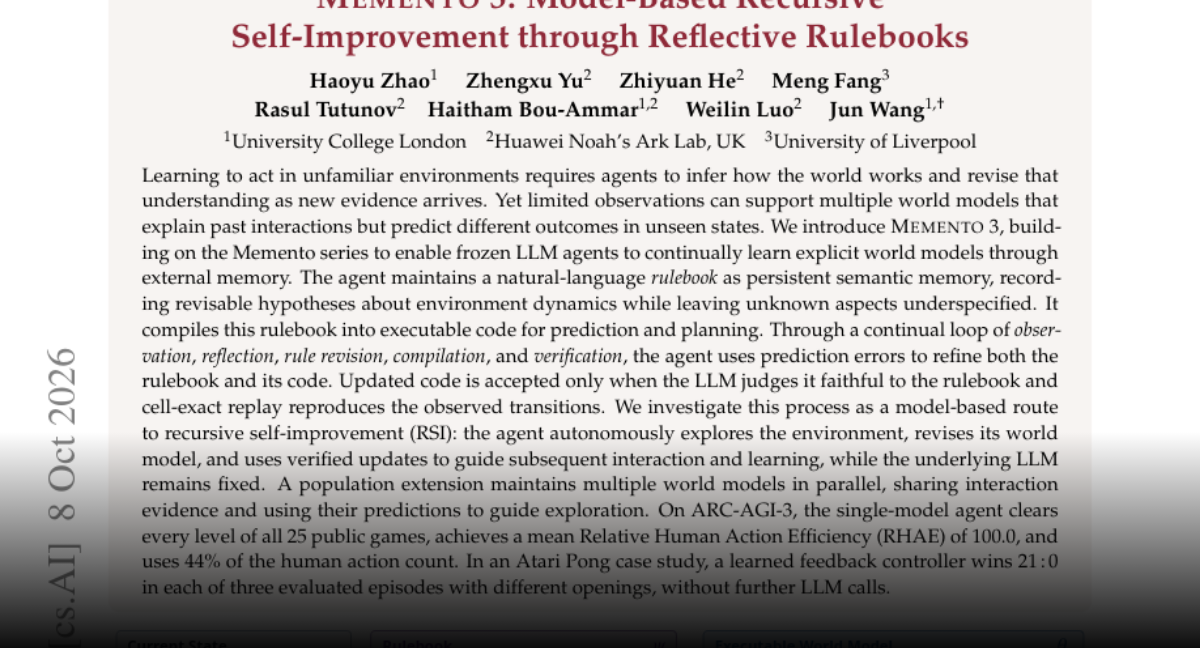
Memento 3 compiles revisable rulebooks into world models

Memento 3 compiles revisable rulebooks into world models

Memento 3 lets a frozen language-model agent learn explicit world models through external memory. It records hypotheses in a natural-language rulebook, compiles them into executable code, and revises them using prediction errors and replay checks. The authors report clearing all levels of 25 public ARC-AGI-3 games while using 44 percent of the human action count. These are results on the evaluated public games, not proof of general intelligence or performance on unseen private tasks.

03

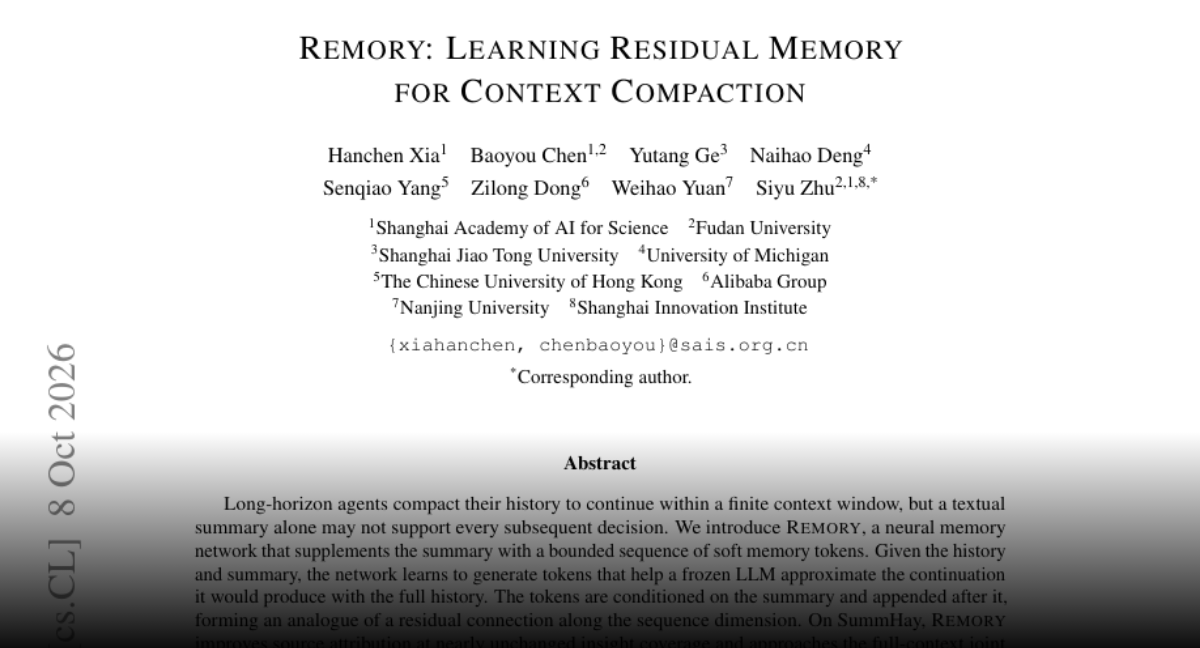
REMORY supplements compressed context with learned memory tokens

REMORY supplements compressed context with learned memory tokens

REMORY adds a bounded sequence of learned soft memory tokens to an agent's textual history summary. The network is trained to help a frozen language model approximate continuation with the full history. The authors report better source attribution on SummHay and a near full-context joint score using 5.2 percent of input positions. Agent benchmarks also show fewer repeated tool outputs and errors, suggesting that retaining information lost by summaries can improve long-horizon execution.

04

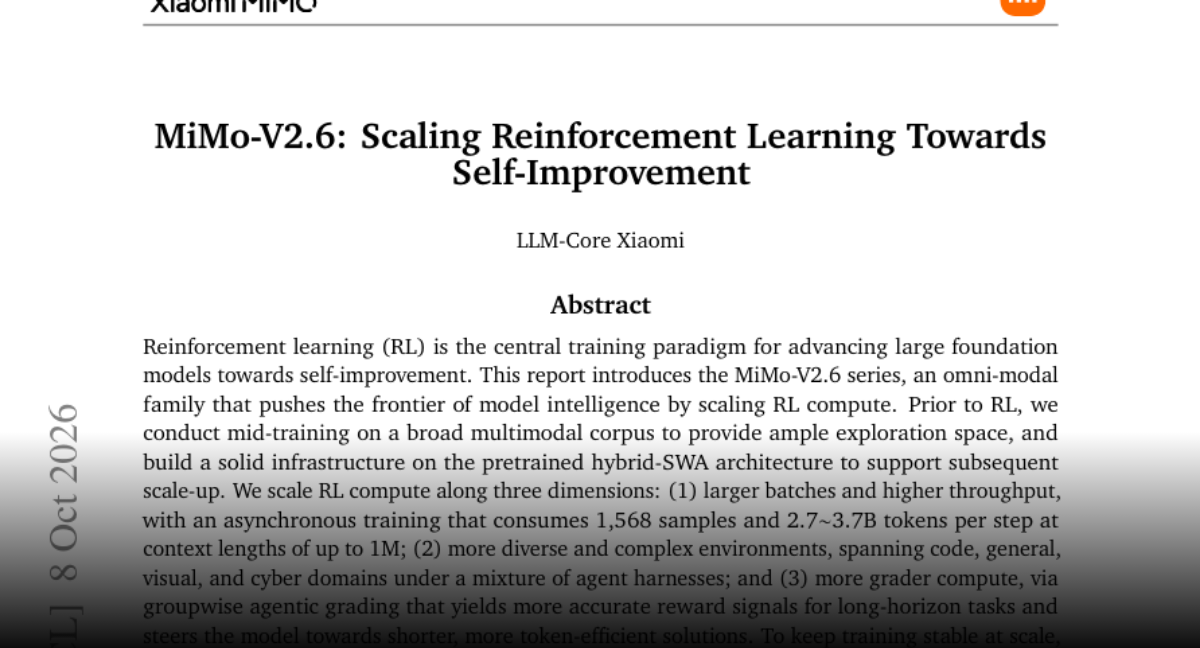
MiMo-V2.6 scales reinforcement learning across tasks and graders

MiMo-V2.6 scales reinforcement learning across tasks and graders

The MiMo-V2.6 report describes an omni-modal model family trained by scaling reinforcement learning along batch throughput, environment diversity and grader compute. Its asynchronous setup consumes billions of tokens per step and supports contexts up to one million tokens. The authors describe freezing the mixture-of-experts router and layered defenses against reward hacking to stabilize training. They also announce open sourcing of training dynamics, environments and the RL framework to support further research and reproduction.

05

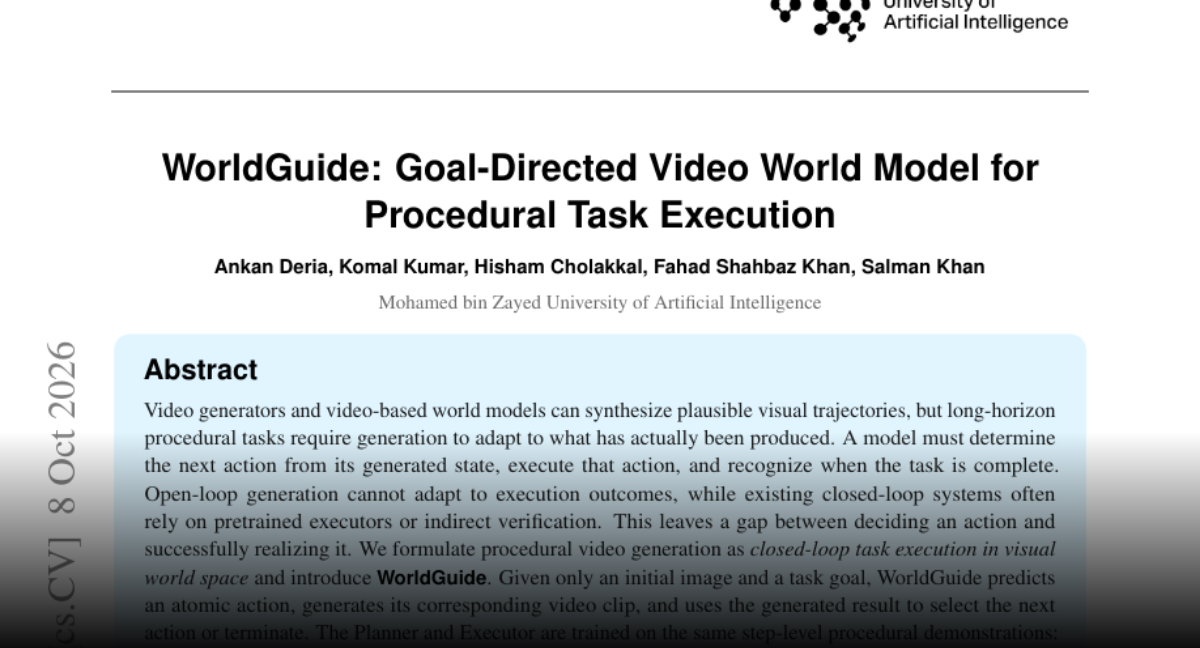
WorldGuide couples video generation with closed-loop task planning

WorldGuide couples video generation with closed-loop task planning

WorldGuide treats procedural video generation as a loop of planning an action, generating its clip and inspecting the resulting visual state before continuing. A planner and executor learn from shared step-level demonstrations, while hierarchical visual memory limits history costs. The paper introduces roughly 59,000 annotated videos across 245 tasks and reports gains over MiniMax-H3 on two benchmarks. The contribution is tighter coupling between intended actions and generated outcomes, rather than visual plausibility alone.

06

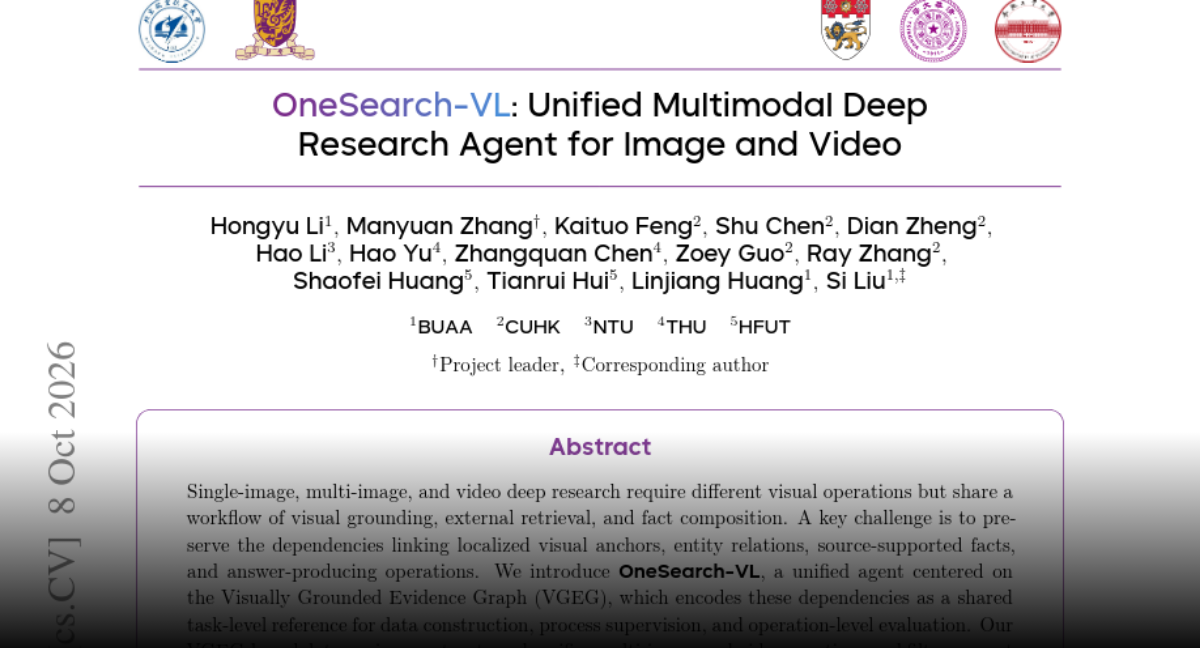
OneSearch-VL grounds multimodal research in an evidence graph

OneSearch-VL grounds multimodal research in an evidence graph

OneSearch-VL unifies image and video deep research around a Visually Grounded Evidence Graph linking visual anchors, entities, supported facts and answer-producing operations. The authors use that structure for data generation, supervision and evaluation, including reinforcement-learning rewards for evidence traceability. Their 8B model improves over tool-enabled Qwen3-VL-8B by 20.2 and 17.6 percentage points on two new benchmarks. The results highlight explicit evidence structure as a design choice for multimodal research agents.

07

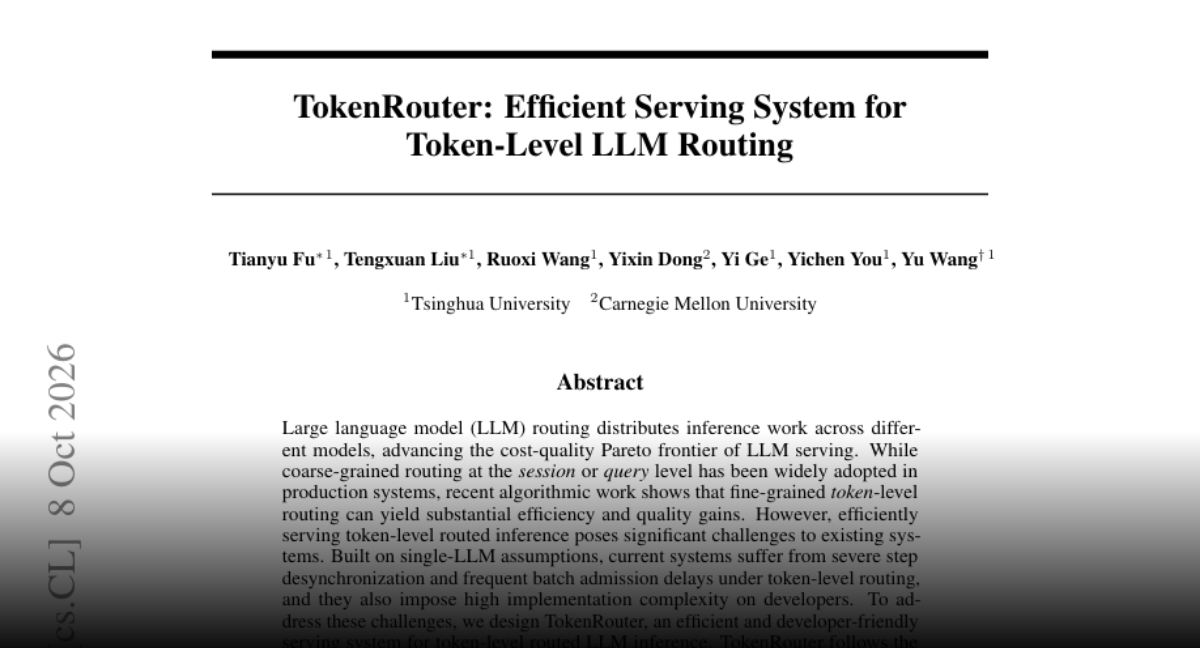
TokenRouter improves serving for token-level model routing

TokenRouter improves serving for token-level model routing

TokenRouter addresses the serving overhead of switching among language models at token granularity. Developers describe routing per request, while separate model subservers execute asynchronously and use delayed batching. The paper reports decoding throughput improvements ranging from 2.01 to 64.15 times over evaluated existing systems across model pairs and workloads. Those gains depend on the tested configurations; the broader contribution is a runtime designed specifically for fine-grained routing rather than a single-model execution assumption.