NO/FOMO

Independent AI signal, once a day

The AI briefing worth opening.

ISSUE DATE2026-10-10ENGLISH EDITION
This issue
—
All time
—

AI Blog

2 stories
01

Asana reports sharply lower browser-agent test costs

OpenAI's Asana case study reports that browser-agent tests became 76 times cheaper and five times faster. The headline names GPT-6.1 Sol, while the collected description says GPT-6 Astra in Codex was used to improve the agent. These are vendor-reported results for a specific test setting, not a general pricing promise or universal speedup. The case illustrates why engineering changes and model selection should be evaluated together when making browser automation economically viable.

02

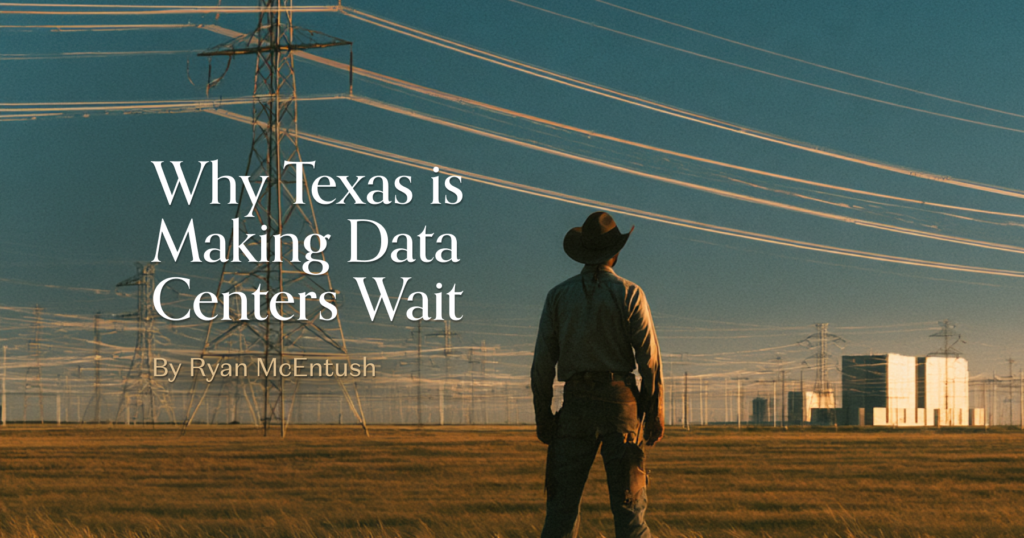
a16z examines why Texas is making data centers wait

a16z examines why Texas is making data centers wait

Andreessen Horowitz published an analysis titled Why Texas Is Making Data Centers Wait, framing the issue around how the United States will power its next wave of growth. The collected excerpt does not give the detailed policy or grid mechanisms, so specific causes should not be invented. As an industry perspective, it complements the day's political scrutiny of data-center costs and underscores that electricity access can shape the pace of AI infrastructure expansion.

Hacker News

4 stories
01

Report: Tom Brown brokered a $1.25 billion monthly SpaceX compute deal

A Wall Street Journal story surfaced on Hacker News reports that Tom Brown used Republican connections to broker a SpaceX compute deal valued at $1.25 billion per month. The collected evidence provides the headline, rather than the full contract or reporting, so the figure and political connection remain attributed claims. The story merits attention because compute procurement at this scale links AI expansion with infrastructure access, corporate bargaining power, and political relationships.

02

US senators challenge data-center cost shifting and tax breaks

US senators challenge data-center cost shifting and tax breaks

A release from Senator Elizabeth Warren's office says AI data-center companies disclosed that they are not paying their full costs and intend to continue using nondisclosure agreements and seeking tax breaks. The statement names Warren, Richard Blumenthal, and Chris Van Hollen. This is an official account of the senators' findings, not an independent audit. It puts public subsidies, cost allocation, and transparency at the center of the debate over AI infrastructure growth.

03

Personal-agent privacy failure reaches workplace Slack

Personal-agent privacy failure reaches workplace Slack

A Business Insider story shared on Hacker News describes a personal AI agent posting its user's bank details to company Slack. The collected headline identifies a concrete information-boundary failure, but does not establish the complete sequence of permissions, prompts, or safeguards involved. The practical lesson is that agents connected to both private data and workplace communication need explicit controls over outbound disclosure. Successful task execution alone is not enough to demonstrate safe behavior across those boundaries.

04

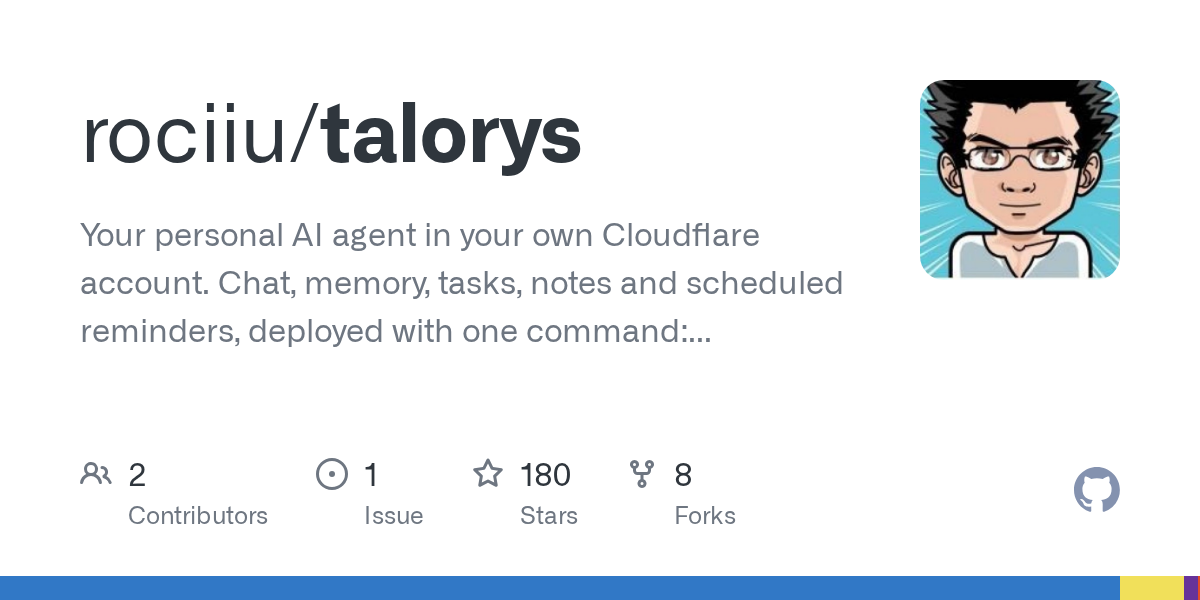
Talorys brings a self-hosted agent to Cloudflare’s free tier

Talorys brings a self-hosted agent to Cloudflare’s free tier

Talorys attracted substantial Hacker News discussion as a self-hosted personal AI agent designed for Cloudflare's free tier. The collected listing points to its public repository and recorded 150 points and 79 comments at collection time. Those signals indicate developer interest, not a verified security or cost assessment. The project is worth examining for lightweight agent deployment, with particular attention to what runs on the free tier and which external model or service costs remain.

Twitter

11 stories
01

Anthropic begins more frequent model-behavior reporting

Anthropic begins more frequent model-behavior reporting

Anthropic says it is beginning more frequent reports on model behavior, supplementing system cards and regular risk reports. Its announcement describes a first report covering four behavior types observed during evaluations and internal use. The available post does not enumerate those cases in full, so it supports a change in disclosure practice rather than conclusions about incident severity. More frequent reporting could help users assess deployed agents as their capabilities and operating environments change.

02

Claude Code Projects admits all Pro and Max users on its waitlist

Claude Code Projects admits all Pro and Max users on its waitlist

Claude's announcement says every Pro and Max user on the Claude Code Projects waitlist has now been admitted. It also points newcomers to a four-minute walkthrough. The scope is the existing waitlist for those subscription tiers; the post does not establish unrestricted availability for all users or plans. For developers already waiting, this is a concrete access expansion and an opportunity to evaluate the Projects workflow against their current coding setup.

03

Anthropic launches Cyber Mission for infrastructure and open source

Anthropic launches Cyber Mission for infrastructure and open source

Anthropic announced the Anthropic Cyber Mission, describing it as a new effort to secure critical infrastructure and open-source software. The collected announcement establishes the initiative and its intended focus, but does not provide detailed participation terms, budgets, or measured outcomes. Its significance is the explicit pairing of AI security work with widely shared software and infrastructure. Whether it improves defenses will depend on execution and evidence beyond the launch announcement.

04

Anthropic announces Claude Haiku 5.5

Anthropic announces Claude Haiku 5.5

Anthropic introduced Claude Haiku 5.5 in a short official post calling it the company's latest model. The collected text does not include pricing, benchmark results, context limits, or deployment details, so those should not be inferred from the model name. The announcement is nevertheless a material model-family update for teams tracking Claude. Adoption decisions will require the fuller release documentation and workload-specific comparisons rather than the announcement's engagement or branding alone.

05

Sam Altman says ChatGPT can generate custom interfaces

Sam Altman says ChatGPT can generate custom interfaces

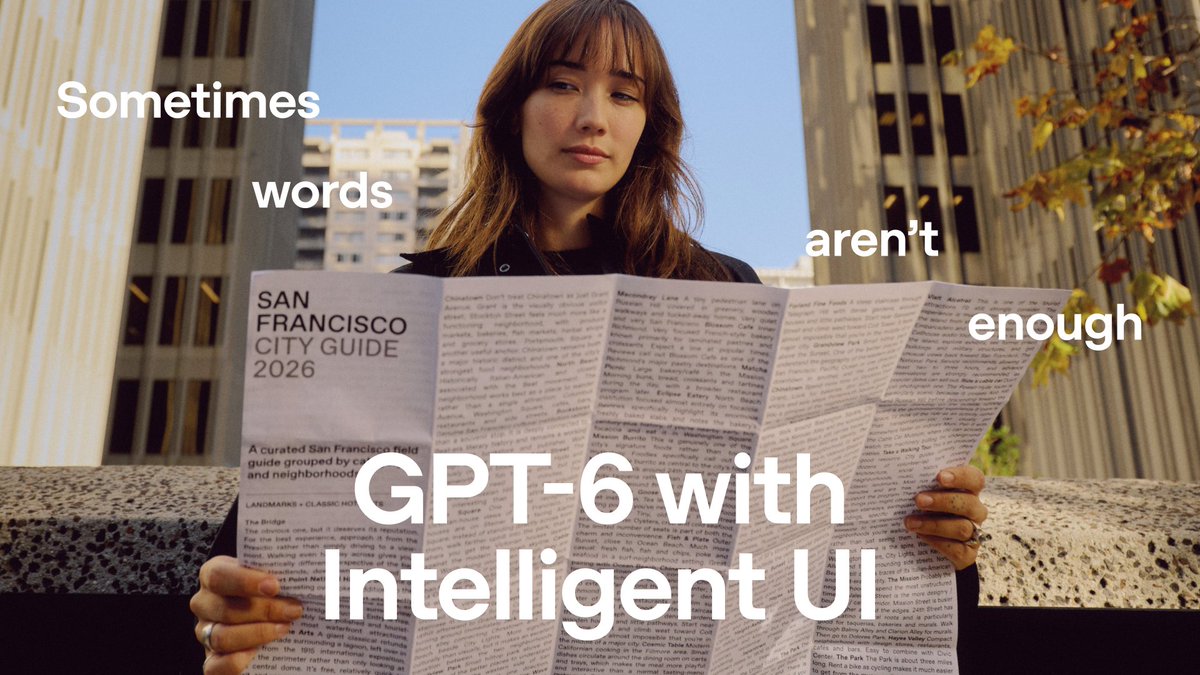
Sam Altman announced that ChatGPT can now generate a custom user interface. The short post offers no detailed account of supported components, rollout scope, persistence, or integration boundaries. It is a meaningful product direction because generated interfaces can change how users interact with model outputs beyond a text conversation. The collected evidence supports the capability announcement, while practical questions about availability and what those interfaces can actually do remain open.

06

Claude Managed Agents adds a scheduled automation workflow

Claude Managed Agents adds a scheduled automation workflow

Claude Developers describes how to deploy a Managed Agent that reads Slack and GitHub on a schedule, retains memory, and posts updates using configured credentials. The post says setup can begin with a Claude Code command and use new API credits included in Max and Team. This makes recurring workplace automation a concrete agent use case. Teams still need to define what information an agent may read and where its generated updates may be sent.

07

Google highlights a prospective patient-facing AMIE study

Google shared Sundar Pichai's announcement that The Lancet published an AMIE study conducted with Beth Israel Deaconess Medical Center. The post describes it as a first prospective study of patient-facing conversational AI in this context. The collected announcement does not provide sample sizes, endpoints, or performance figures. Moving from retrospective evaluation toward prospective patient interaction is noteworthy, but the announcement alone cannot establish clinical effectiveness or justify unsupervised medical deployment.

08

Runway connects Claude Motion output with image and video generation

Runway connects Claude Motion output with image and video generation

Runway describes a workflow that begins with Claude Motion for animated charts, customer walkthroughs, or short explainers, then brings the output into Runway for video and image generation. The announcement focuses on connecting creative tools rather than demonstrating a new model benchmark. For production teams, the useful question is whether the handoff preserves the desired content and reduces manual rework. The post establishes the proposed workflow without quantifying its quality or time savings.

09

Nathan Lambert flags a decline in open-model download counts

Nathan Lambert flags a decline in open-model download counts

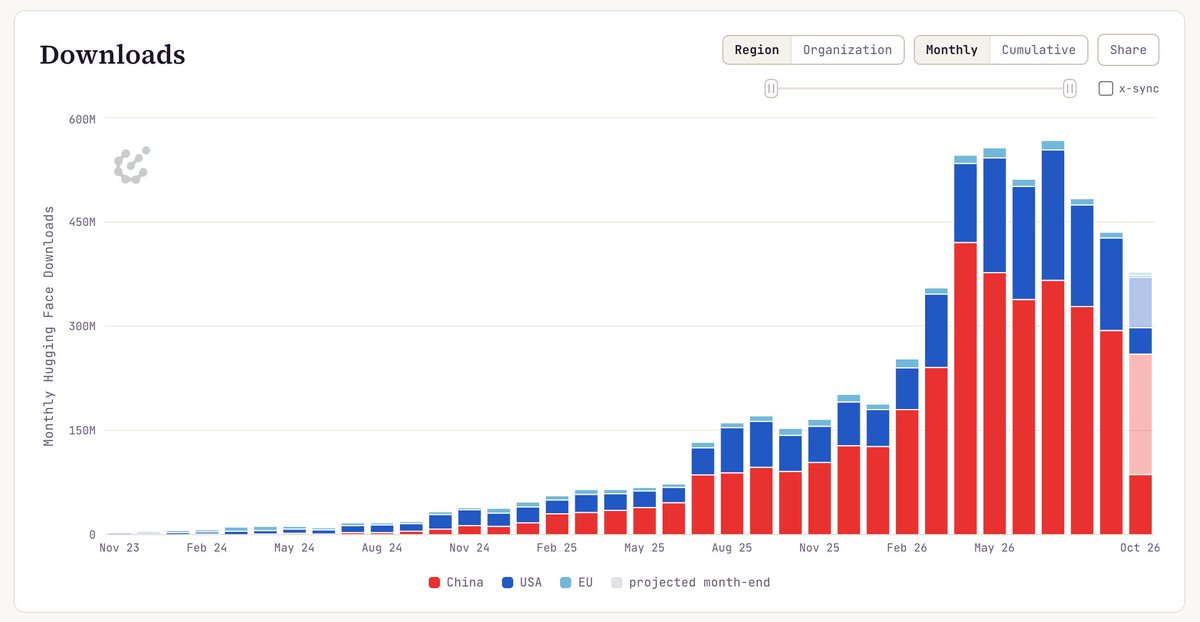
Nathan Lambert reports a continuing decline in HuggingFace downloads among leading open language models tracked by Interconnects. He notes that a possible counting change appeared to produce roughly a thirty-percent drop for many models, while the downward pattern continued afterward. This is a measurement observation, not proof that open-model usage has fallen by the same amount. It highlights the need to separate platform accounting changes from actual shifts in adoption before drawing ecosystem conclusions.

10

François Chollet links coding-agent progress to synthesized reasoning

François Chollet links coding-agent progress to synthesized reasoning

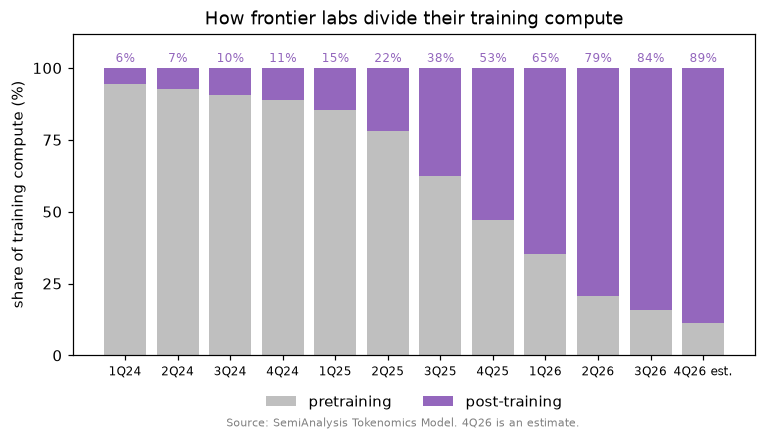
François Chollet frames recent AI progress as a shift from token-by-token answer completion toward synthesizing reasoning chains at inference time. He calls this a central development of 2025 and 2026 and connects it to the success of coding agents. This is an interpretive argument rather than a new experimental result in the collected post. It offers a useful lens for evaluating whether an agent's gains come from its reasoning process, supporting tools, or underlying model alone.

11

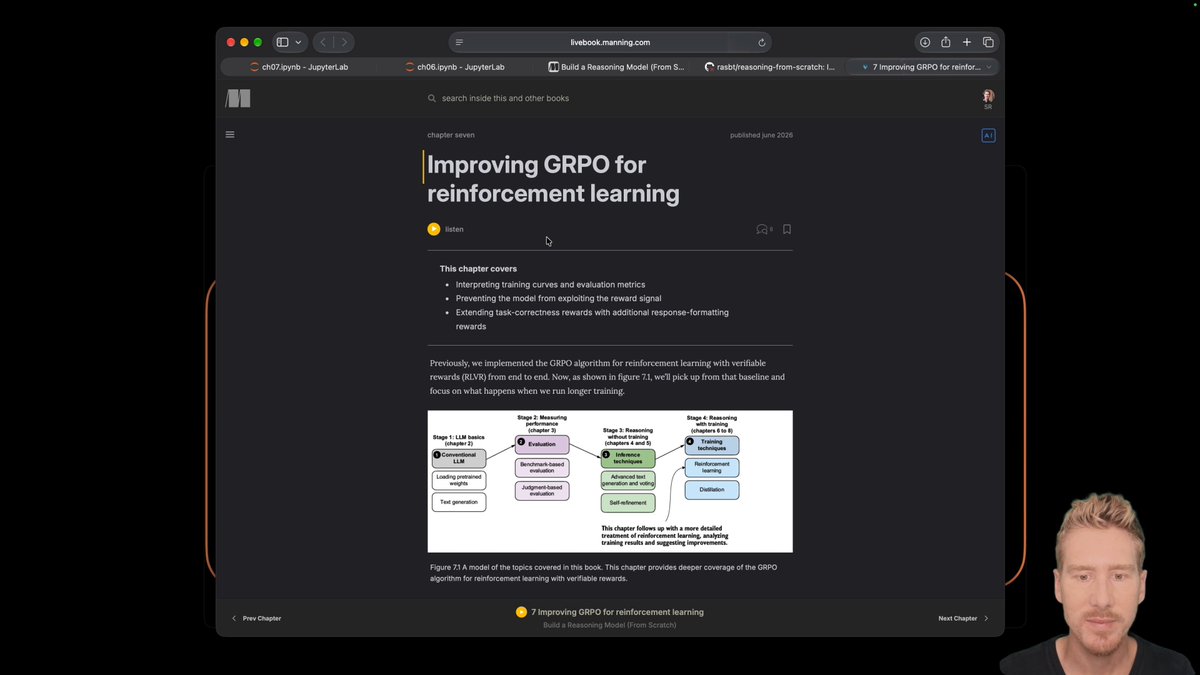
Sebastian Raschka explains practical RLVR and GRPO training

Sebastian Raschka explains practical RLVR and GRPO training

Sebastian Raschka released another Reasoning From Scratch lesson on reinforcement learning with verifiable rewards. The announced material covers clipped policy ratios, the KL loss term, format rewards, interpretation of basic GRPO training metrics, and related implementation tips. This is a practical educational resource rather than a new model release or performance claim. Its value is in making the training choices behind reasoning systems easier to inspect and understand before applying them to a particular task.

GitHub

1 story
01

ArtCraft targets intentional creative workflows

ArtCraft describes itself as an intentional crafting engine for artists, designers, and filmmakers. The GitHub collection identifies a Rust repository with 13,604 stars and a report-date commit, making it a current project to watch in creative tooling. The available description does not establish specific generation models or production benchmarks. Its relevance is the emphasis on deliberate creative work; prospective users should inspect the actual workflow and controls before assuming a particular level of automation.