NO/FOMO

Independent AI signal, once a day

The AI briefing worth opening.

ISSUE DATE2026-10-21DEFAULT EDITION
This issue
—
All time
—

AI Blog

6 stories
01

SemiAnalysis examines the Huawei–DeepSeek relationship

SemiAnalysis examines the Huawei–DeepSeek relationship

SemiAnalysis published an examination of Huawei and DeepSeek, covering Ascend 950PR microbenchmarks, DeepSeek V4.1 Flash analysis, and DeepSeek support for Ascend. The collected description establishes the subjects of the report but does not expose the benchmark results. The topic matters because model and accelerator support increasingly shape deployment choices together. Any conclusion about comparative throughput, cost, or hardware competitiveness requires the detailed measurements rather than the headline alone.


02

ChatGPT Ads expands to 26 more countries

OpenAI announced that ChatGPT Ads is expanding to 26 new countries and said more than 100,000 advertisers have used the platform. The company positions the offering around reaching people as they explore, compare, and make buying decisions in ChatGPT. These are company-reported adoption figures. The expansion is a substantial commercialization development, while the collected announcement does not provide advertiser retention, spending, conversion rates, or a country-by-country rollout schedule.

03

OpenAI models and Codex workflows come to Google Cloud

OpenAI announced a partnership bringing its frontier models and Codex workflows to Gemini’s Model Garden through Google Cloud Marketplace. The announcement makes cross-provider distribution the central development: customers can access OpenAI offerings within Google Cloud’s commercial ecosystem. The collected summary does not identify the full model list, regional availability, or pricing. Those details will determine how the partnership translates into practical deployment and procurement options for enterprise teams.

04

Patch the Planet coordinates responses to critical vulnerabilities

OpenAI introduced Patch the Planet as a coordination effort connecting security researchers, open-source maintainers, and incident responders around critical vulnerabilities. The announcement places the initiative in the context of agents uncovering serious software flaws. Its importance is operational: discovering a vulnerability is only part of the work, while fixes and coordinated response depend on multiple organizations. The collected summary does not establish coverage, response-time guarantees, or independently measured remediation outcomes.

05

Distributed AI agents explore millions of brain cells

OpenAI, PerturbAI, and Scripps Research describe using distributed AI agents to search biological data from millions of brain cells for promising research leads. The work illustrates a shift from a single assistant response toward parallel analysis of complex scientific material. The announcement concerns candidate leads, not established treatments or clinical results. Its scientific value ultimately depends on validation beyond the computational exploration described in the collected summary.

06

Christopher Stubbs joins Anthropic’s Long-Term Benefit Trust

Christopher Stubbs joins Anthropic’s Long-Term Benefit Trust

Anthropic appointed experimental physicist and former Harvard Dean of Science Christopher Stubbs to its Long-Term Benefit Trust. The company says the independent trust can appoint a majority of its board and advises on important decisions involving AI’s risks and societal effects. Stubbs brings experience in frontier science and government advice. The appointment is a governance development whose practical importance depends on how the trust exercises its authority over time.

Hacker News

5 stories
01

Mistral Large 4 documentation draws attention

Mistral’s official documentation for Mistral Large 4 appeared among the day’s prominent AI discussions on Hacker News, with 163 points at collection time. The collected record identifies the model and its official documentation but supplies no architecture, pricing, or benchmark details. Readers evaluating the model should consult that primary reference directly. The inclusion reflects the significance of a major model entry, without inferring unsupported performance or availability claims.

02

Report flags LiteLLM 1.107.0 compromise on PyPI

Report flags LiteLLM 1.107.0 compromise on PyPI

SafeDep reports that the LiteLLM 1.107.0 package on PyPI was compromised to install a credential stealer and backdoor. The report attracted 314 Hacker News points and 111 comments at collection time. Because LiteLLM sits in AI application infrastructure, the allegation has direct relevance to dependency and credential exposure. The collected entry does not establish affected installation times, remediation versions, or the full scope of impact.

03

BBC reports Google resignations over military AI contracts

BBC reports Google resignations over military AI contracts

The BBC reports that Google staff have resigned amid a backlash over the company’s AI contracts with the military. The collected article headline establishes the reported dispute but provides no detailed account of the contracts or number of departures. The story is material to the AI industry because deployment decisions can become workforce and governance issues, particularly when commercial expansion intersects with contested uses of advanced systems.

04

Meta faces reported $25 billion privacy penalty

Meta faces reported $25 billion privacy penalty

CNBC reports that Meta was ordered to pay a $25 billion penalty in New Mexico’s Cambridge Analytica case. The headline was a prominent industry story in the collected Hacker News feed. This is a privacy and platform-accountability development rather than an AI-specific ruling, but it is material context for a major AI company. The collected record does not establish appeal status, payment timing, or the judgment’s detailed reasoning.

05

Alter launches access control for multi-user agents

Alter launches access control for multi-user agents

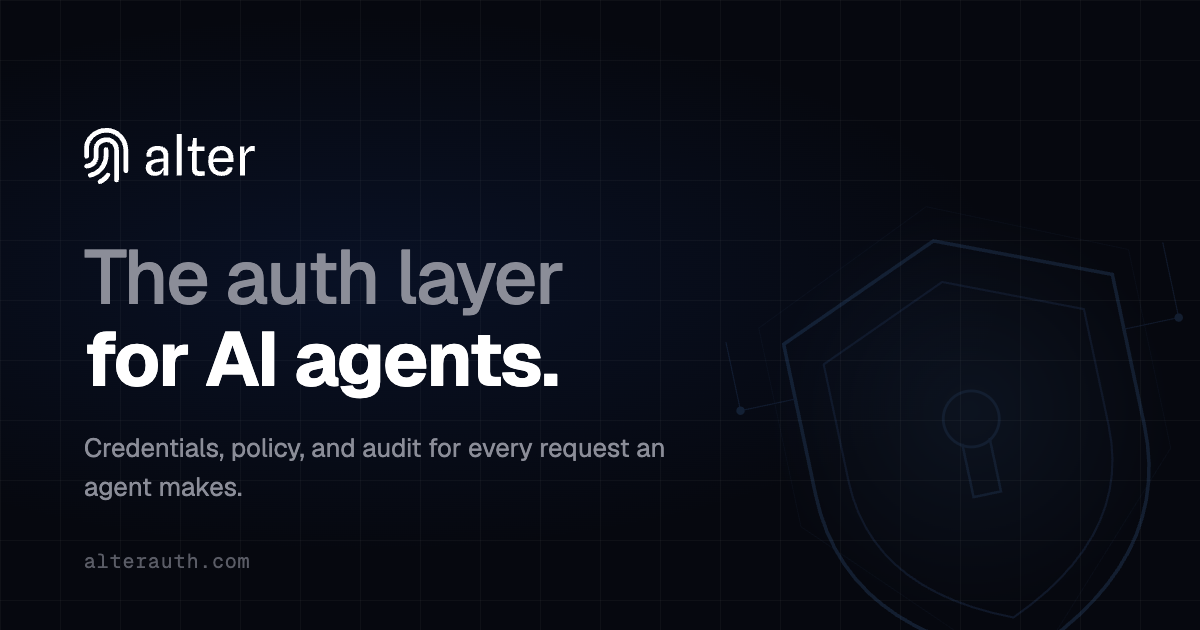
Alter introduced an access-control service for agents acting on behalf of multiple users. The founders describe a proxy that manages downstream credentials, associates actions with user identity, enforces runtime policies, and records audit logs. This addresses the gap between a user signing into a chat interface and an agent accessing external systems through shared credentials. The launch describes product capabilities; its security and reliability claims remain vendor assertions.

Twitter

10 stories
01

Anthropic previews Claude Duet, a proactive agent app

Anthropic previews Claude Duet, a proactive agent app

Anthropic opened a research preview of Claude Duet, an app designed to bring matters needing attention to the user, complete requested tasks, and continue working while the user is away. The announcement says it checks before acting on the user’s behalf. That combination makes ongoing task execution and approval boundaries central to the product, although the post does not establish general availability or independently measured reliability.

02

Claude Security adds continuous repository rescanning

Claude Security adds continuous repository rescanning

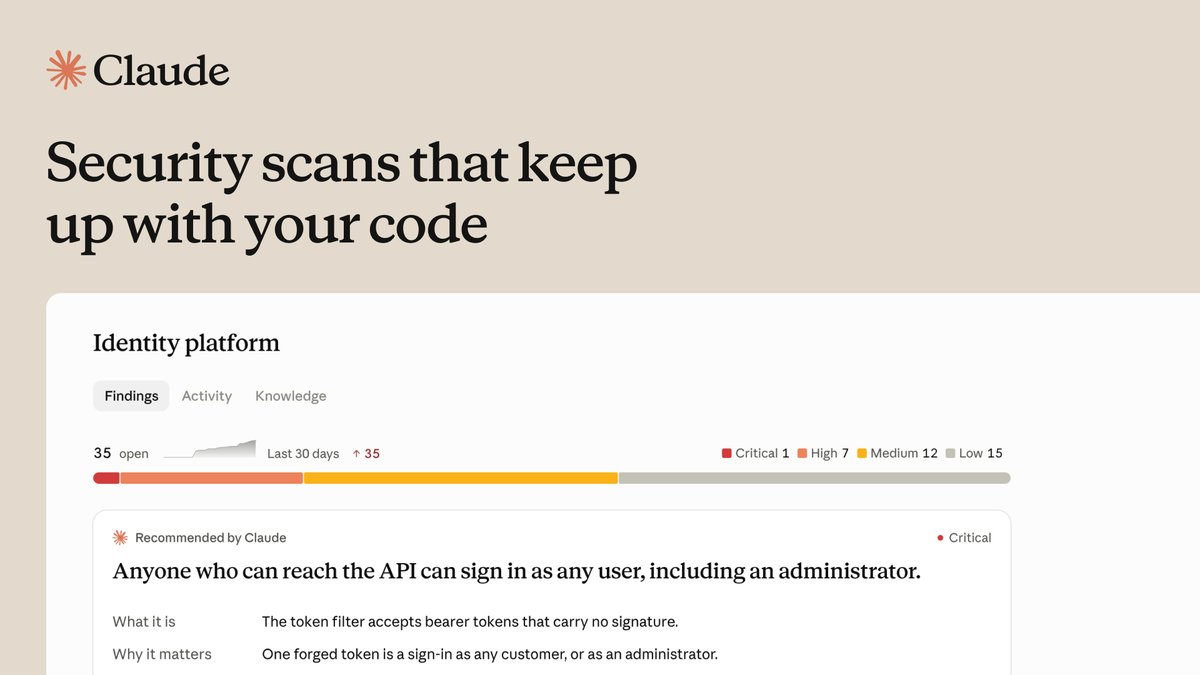
Claude Security now follows repositories as their code changes, according to the official Claude announcement. Users connect repositories once for a deep initial scan, followed by additional scans as changes arrive. The feature is in public beta for Claude Enterprise. This makes security review an ongoing workflow tied to the current codebase, rather than a single assessment; the post does not provide comparative detection or false-positive measurements.

03

Anthropic publishes its annual Public Benefit Report

Anthropic publishes its annual Public Benefit Report

Anthropic announced its annual Public Benefit Report, describing five pillars and reviewing actions intended to advance them. The company frames the publication around its status as a Public Benefit Corporation. The report matters as a public account of how a frontier AI company evaluates its own mission and responsibilities. Its claims should be read as company reporting, with implementation and outcomes assessed separately from the stated commitments.

04

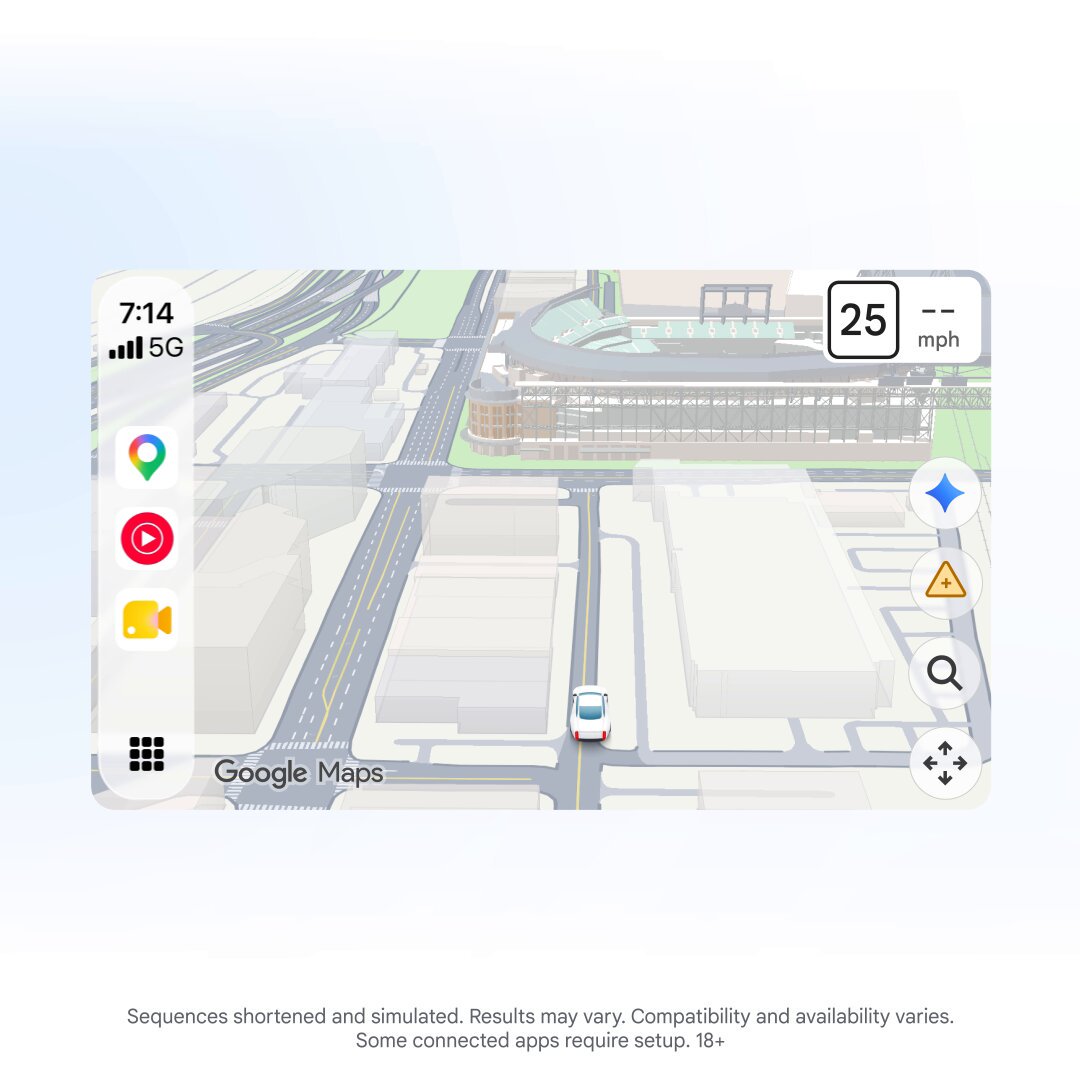
Gemini arrives in Google Maps navigation on CarPlay

Gemini arrives in Google Maps navigation on CarPlay

Google says Gemini is now available in Google Maps navigation on CarPlay. The announcement highlights conversational requests to find parking, report traffic incidents, and change a route, accessed through the Gemini icon during navigation. This extends assistant interactions into a practical driving workflow. The post describes supported experiences but does not establish availability for every account, language, vehicle, or region, so those details remain deployment considerations.

05

Kling 4.0 API begins its official rollout

Kling 4.0 API begins its official rollout

Kling announced the official rollout of the Kling 4.0 API, inviting developers to integrate the model into products and production workflows. The API announcement is more operationally relevant than the surrounding promotional video examples because it concerns direct integration. However, the post does not specify pricing, rate limits, supported controls, or service guarantees. Teams evaluating adoption still need those details before estimating production costs and reliability.

06

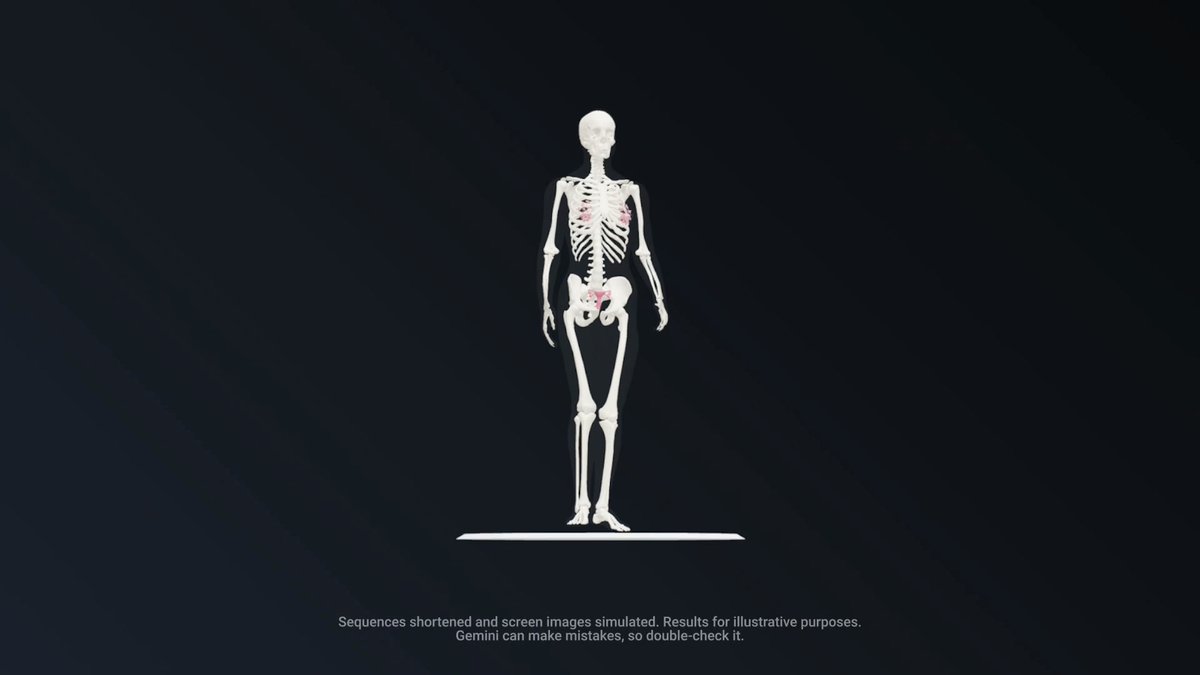
Gemini 4 Argon demonstrates interactive anatomy visualization

Gemini 4 Argon demonstrates interactive anatomy visualization

Google DeepMind demonstrated an interactive human anatomy visualization built with Gemini 4 Argon by combining three open-source datasets. The example supports layer toggles, muscle isolation, and exploration inside a beating heart. It illustrates how coding models can assemble heterogeneous data into interactive educational software. This is a vendor demonstration, not evidence of clinical validity, and the announcement provides no independent evaluation of anatomical accuracy or generated code quality.

07

Runway joins Claude Marketplace for enterprise purchasing

Runway joins Claude Marketplace for enterprise purchasing

Runway announced that it is joining Claude Marketplace, allowing enterprise teams already using Claude to direct part of their Anthropic commitment toward Runway Creative. The offering covers video, image, and audio generation. The change concerns procurement and budget allocation rather than a newly demonstrated model capability. It may simplify bringing creative tools into existing enterprise purchasing arrangements, while exact eligibility and contractual terms still require review.

08

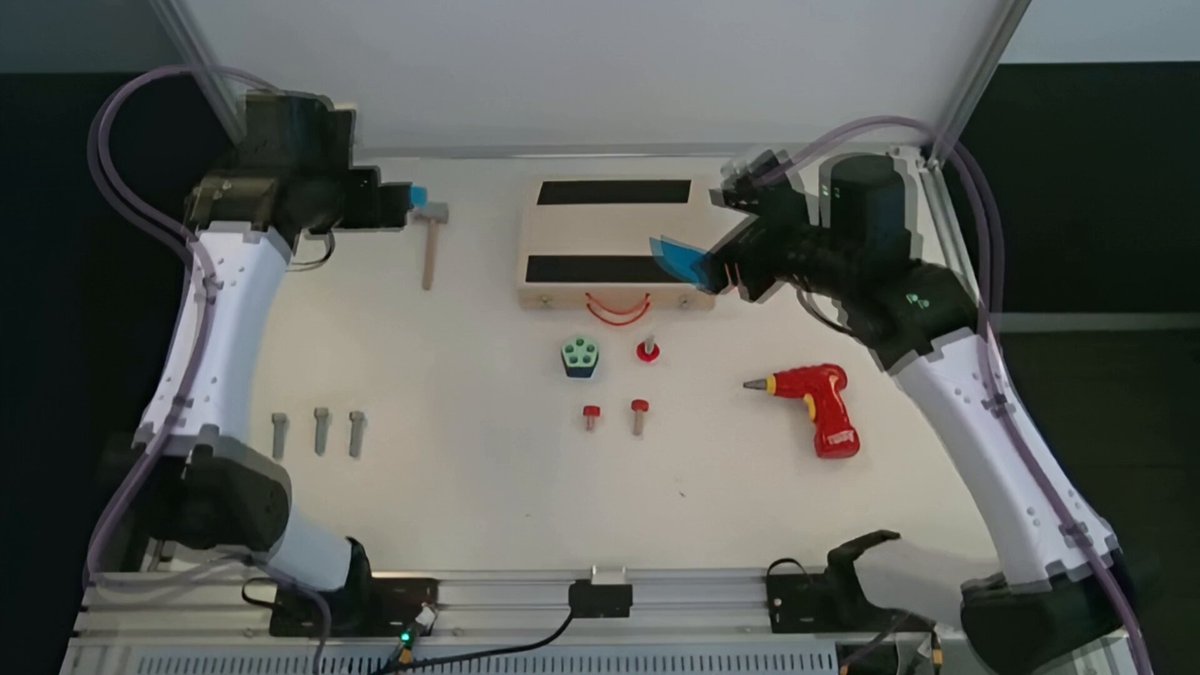
Flora releases open models for robotics training data

Flora releases open models for robotics training data

Jim Fan announced Flora, a suite of open models that converts raw footage of the physical world into richer robotics training signals. The post says the weights are being released and claims Astra-level performance at 125 times lower cost. Those figures are author-reported rather than independently verified here. The practical development is a potentially reusable data-processing layer for robotics teams seeking to turn video into training material.

09

DeepSeek opens the inference engine behind V4.1 Flash

DeepSeek opens the inference engine behind V4.1 Flash

Thomas Wolf highlighted the release of the inference engine behind DeepSeek V4.1 Flash under Apache 2.0, placing it alongside DeepSeek’s earlier attention, communication, matrix multiplication, and storage projects. The post is a secondary account of the release, not a benchmark assessment. For infrastructure developers, access to the serving implementation can be as consequential as model weights because it exposes practical choices behind deployment efficiency and integration.

10

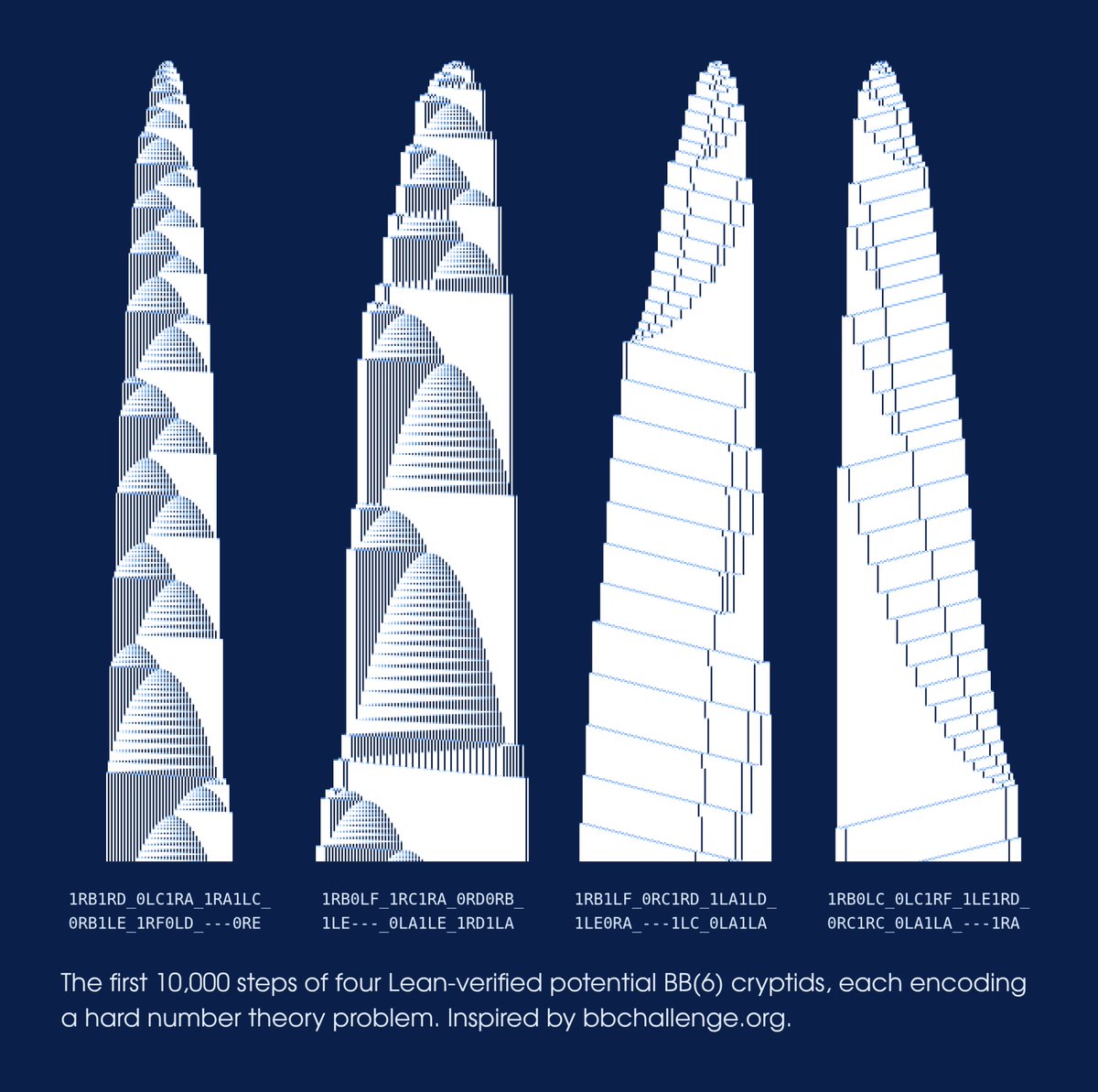
DeepMind reports progress on long-running simple programs

DeepMind reports progress on long-running simple programs

Zoubin Ghahramani described new theoretical computer science results from Google DeepMind concerning simple programs that run for very long periods before halting. He frames the work as progress in AI-driven open-ended discovery in mathematics and computer science. The brief announcement does not provide enough detail to verify a particular record or proof. Its significance is the research direction: applying AI systems to discovery problems with formal outcomes.

GitHub

2 stories
01

Headroom compresses inputs before they reach an LLM

Headroom provides a library, proxy, and MCP server for compressing tool outputs, logs, files, and retrieval chunks before they enter a language model’s context. Its repository claims 20 percent fewer tokens for coding agents and 60 to 95 percent fewer for JSON while preserving answers. These are project claims, not independent results. The relevant engineering question is whether compression preserves task-critical details across a team’s actual workloads.

02

vLLM remains a prominent open inference engine

vLLM remains a prominent open inference engine

The vLLM repository appeared among the day’s collected GitHub projects, describing itself as a high-throughput, memory-efficient engine for language-model inference and serving. It had 94,805 stars at collection time. This is an infrastructure watch item rather than evidence of a new release: the collected record gives no specific version change. Teams considering it should evaluate serving behavior and resource use against their own models and traffic patterns.

HF HuggingFace

4 stories
01

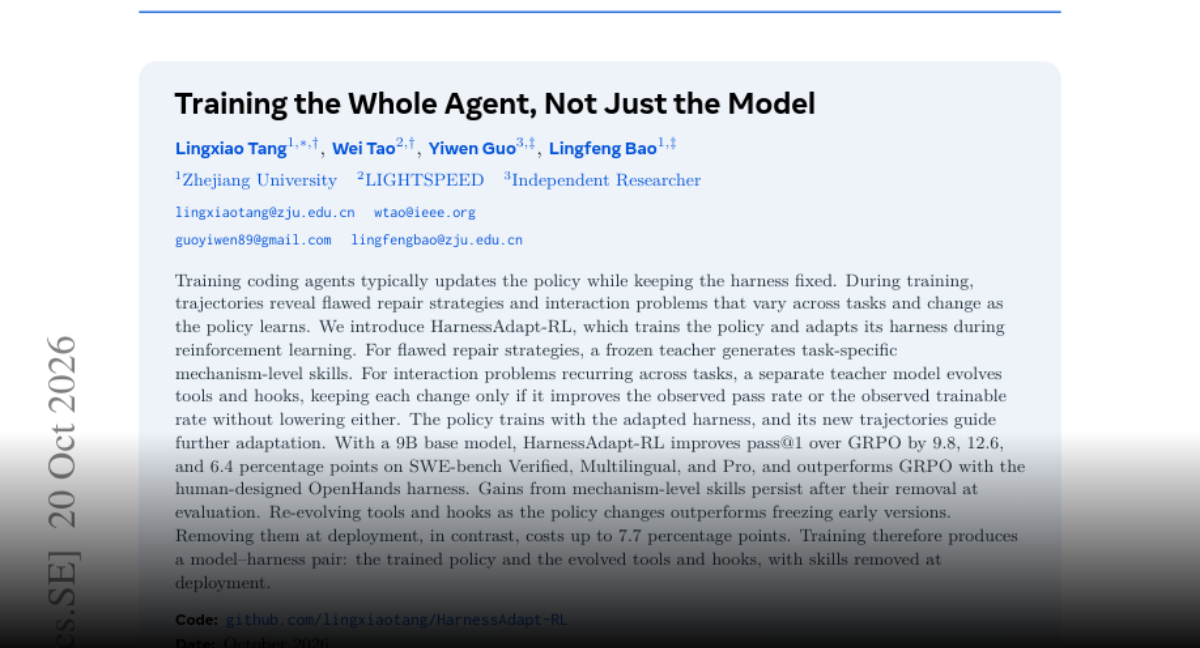
HarnessAdapt-RL trains the policy and its agent harness together

HarnessAdapt-RL trains the policy and its agent harness together

HarnessAdapt-RL adapts a coding agent’s harness while training its policy, using teacher-generated skills and evolving tools and hooks. With a 9B model, the authors report pass-at-one gains of 9.8, 12.6, and 6.4 percentage points over GRPO on three SWE-bench variants. Some learned benefits survive removing skills, but removing evolved tools hurts performance. The result argues for evaluating the deployed model and harness as a coupled system.

02

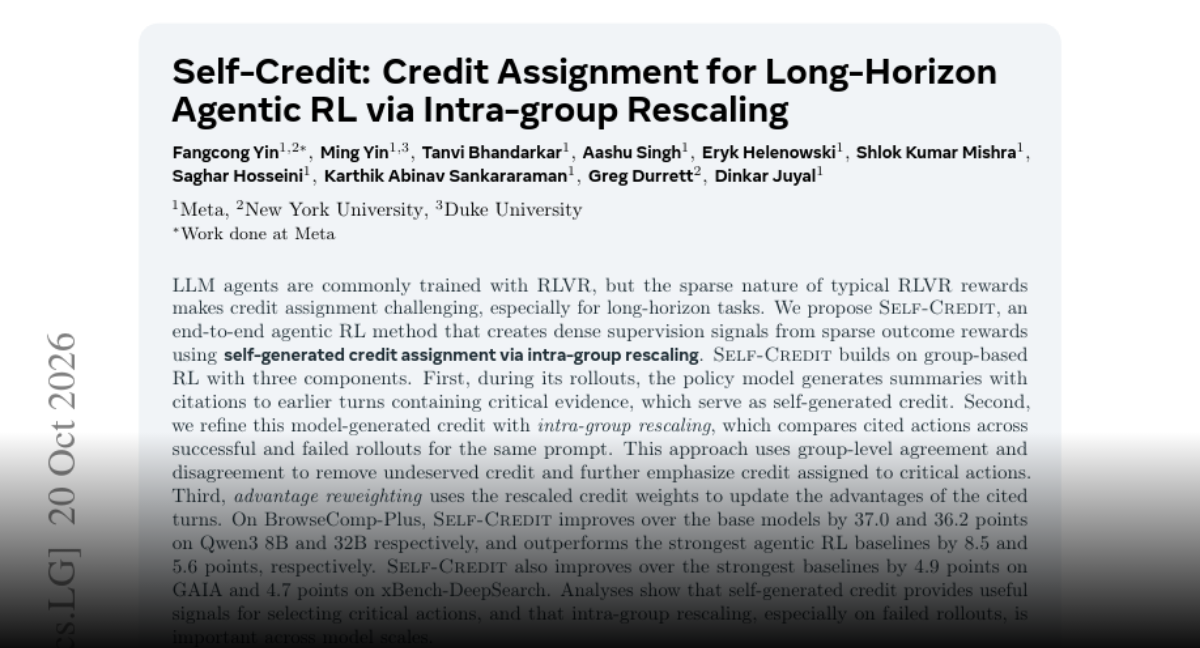
Self-Credit makes sparse agent rewards more informative

Self-Credit makes sparse agent rewards more informative

Self-Credit uses an agent’s own citations to earlier decisive actions as a starting point for reward credit assignment. It compares these signals across successful and failed rollouts, then reweights training advantages. The authors report improvements over their strongest agentic reinforcement-learning baselines on BrowseComp-Plus, GAIA, and xBench-DeepSearch. The method addresses a recurring problem in long tasks: a final success signal alone says little about which intermediate actions helped.

03

Matrix-Game 4.0 separates game rules from generated visuals

Matrix-Game 4.0 separates game rules from generated visuals

Matrix-Game 4.0 combines an executable game engine with a coding agent and an autoregressive video renderer. The engine maintains state and rules while generated visuals follow low-poly proxies and captions. The authors report 480p gameplay at 60 frames per second on one RTX 5090, with 112 milliseconds of input-to-display latency. This architecture targets playable consistency rather than visually convincing clips alone; the performance figures are reported research results.

04

Anti-Persistence questions storing agent-generated rules forever

Anti-Persistence questions storing agent-generated rules forever

The Anti-Persistence paper argues that stored agent-generated rules can reproduce errors through repeated cycles of abstraction and execution. Its alternative retains trajectories and outcomes but reconstructs task-specific guidance when needed, then discards that guidance after use. The authors report higher held-out success and lower average model-call cost than the evaluated memory designs. The finding suggests that accumulating experience and permanently preserving inferred rules should be treated as separate design choices.