NO/FOMO

Independent AI signal, once a day

The AI briefing worth opening.

ISSUE DATE2026-10-24ENGLISH EDITION
This issue
—
All time
—

AI Blog

5 stories
01

OpenAI describes tighter containment for frontier training and evaluation

OpenAI describes changes intended to strengthen containment around frontier model training and evaluation. The official summary highlights offline environments and high-compute red-teaming as part of that work. The announcement makes infrastructure security a first-class part of developing more capable models, alongside assessments of model behavior. It is an account of the company’s approach, not an independent audit, and the collected summary does not quantify how much residual risk remains after the changes.

02

SemiAnalysis examines Trainium’s push into model training

SemiAnalysis examines Trainium’s push into model training

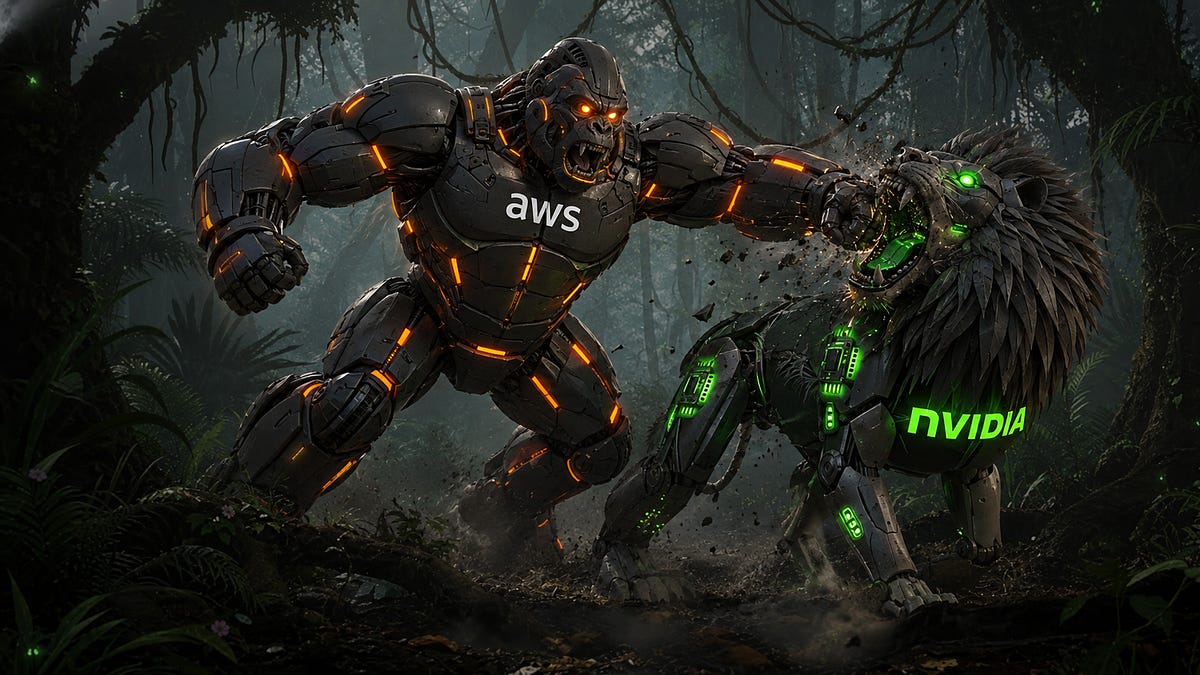
SemiAnalysis examines Amazon Trainium’s position in model training as well as inference. The collected summary highlights native Trainium PyTorch, continuous-integration quality, TorchTitan, and profiling tools as parts of the discussion. The useful question is whether the surrounding software makes alternative accelerators practical for demanding training workloads. The summary does not supply comparative cost or performance tables, so its headline should not be treated as proof that Trainium outperforms GPUs across every training scenario.

03

OpenAI reports faster reads in ChatGPT’s storage architecture

OpenAI’s second installment on scaling online storage describes Habitat’s use of reliable multi-tenancy, global caching, and Azure Cosmos DB. The official summary reports twelvefold faster reads while serving a ChatGPT user base of more than one billion. The engineering focus is the data infrastructure surrounding the model, where caching and tenant isolation influence responsiveness at scale. The collected summary does not specify the benchmark conditions or which read paths received the reported improvement.

04

Anthropic invites life-sciences guest investigators

Anthropic invites life-sciences guest investigators

Anthropic invites members of the life-sciences community to apply for special projects as guest investigators. The announcement points to direct collaboration with domain specialists as AI companies expand their work in biology and related research. It is an open call, rather than a report of a completed scientific result. The collected summary does not specify project selection criteria, funding, access arrangements, or application deadlines, so interested researchers need to consult the full announcement.

05

SGLang HiCache reports hierarchical caching gains for hybrid models

SGLang HiCache reports hierarchical caching gains for hybrid models

SGLang describes HiCache as hierarchical prefix caching across GPU memory, CPU memory, and external storage. Its summary reports up to 15.5 times effective input throughput on DeepSeek-V4-Flash. This older, newly surfaced engineering item is relevant to serving workloads where prefix reuse can reduce repeated computation. The number is a reported maximum tied to a named model, and should not be generalized to every deployment without checking workload characteristics and the original benchmark setup.

Hacker News

4 stories
01

Report alleges unlawful tree clearance for Google’s Finland data center

Report alleges unlawful tree clearance for Google’s Finland data center

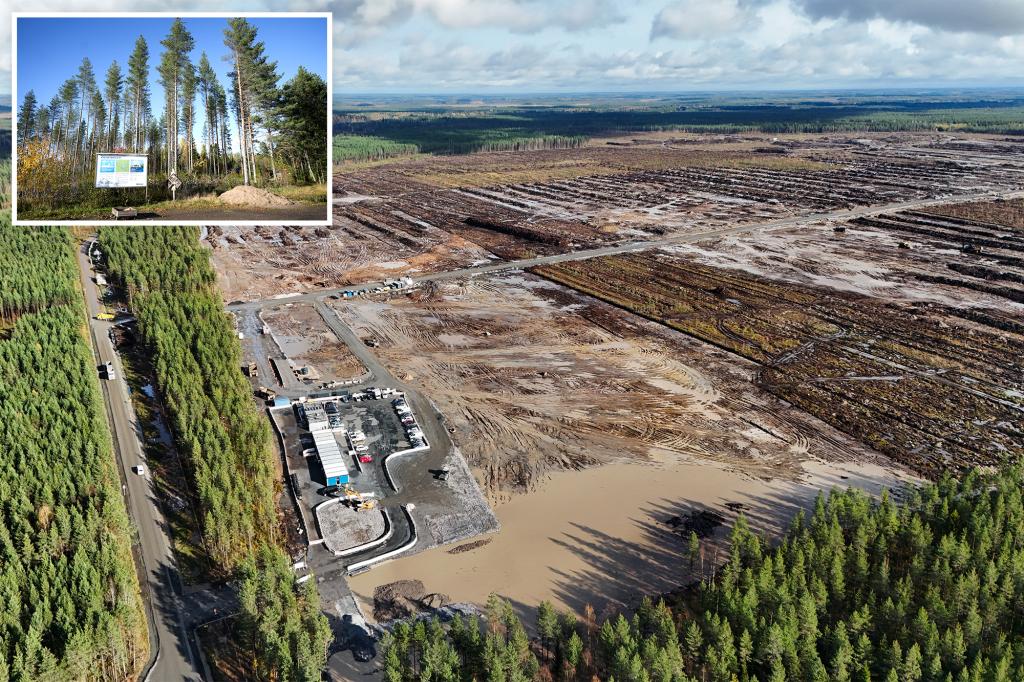
A report surfaced on Hacker News alleges that Google unlawfully cleared about 250,000 trees for a data center in Finland. The collected candidate contains the headline and link, rather than the underlying legal findings or Google’s response. It belongs in the infrastructure discussion because large computing projects face environmental and permitting constraints alongside power and chip availability. The allegation should be read as attributed reporting, with legal status and responsibility requiring the full supporting evidence.

02

TorrentFreak flags a nonexistent citation in an AI-assisted paper

TorrentFreak flags a nonexistent citation in an AI-assisted paper

TorrentFreak reports that an AI-assisted paper about Z-Library cites a TorrentFreak article that does not exist. The story offers a concrete example of the citation-verification problem in AI-supported research. The collected headline alone does not establish which system produced the reference or how the paper was reviewed. Its practical lesson is that a plausible-looking citation needs checking against the original publication before it can serve as evidence in scholarly or professional writing.

03

Aikido warns Node2Shell exposure extends into HTTP libraries

Aikido warns Node2Shell exposure extends into HTTP libraries

Aikido’s report, surfaced on Hacker News, describes Node2Shell evolving into HTTP2Shell and affecting a wider set of HTTP libraries and applications. The source URL identifies Brotli and CVE-2026-111497, making dependency exposure the central issue to investigate. For teams operating AI services, these shared libraries are part of the surrounding application stack. The collected candidate does not contain affected-version ranges or remediation instructions, so operators need the original advisory before making patching decisions.

04

GPU-unlock explores FP16 and BF16 issue rates on Nvidia 3000 GPUs

GPU-unlock explores FP16 and BF16 issue rates on Nvidia 3000 GPUs

A GPU-unlock repository surfaced on Hacker News focuses on FP16 and BF16 instruction issue rates on Nvidia 3000-series cards. Those numeric formats are relevant to machine-learning workloads, making the project worth examining for developers working with existing hardware. The collected candidate establishes the repository’s topic, but does not provide validated speedups or a compatibility matrix. Any practical benefit needs measurement on the target workload rather than inference from the project’s name or discussion score.

Twitter

9 stories
01

Texas sues OpenAI and Sam Altman over product safety, Politico reports

Texas sues OpenAI and Sam Altman over product safety, Politico reports

A Politico report shared by Gary Marcus says Texas is suing OpenAI and Sam Altman over product safety. The collected post provides the headline but no complaint text or detailed allegations, so it does not establish the merits of the case. The development puts legal accountability for AI products on the agenda alongside technical safety work, with the specific claims and requested remedies requiring examination of the underlying filing.

02

Kimi 3.1 Pro announcement raises open-model expectations

Kimi 3.1 Pro announcement raises open-model expectations

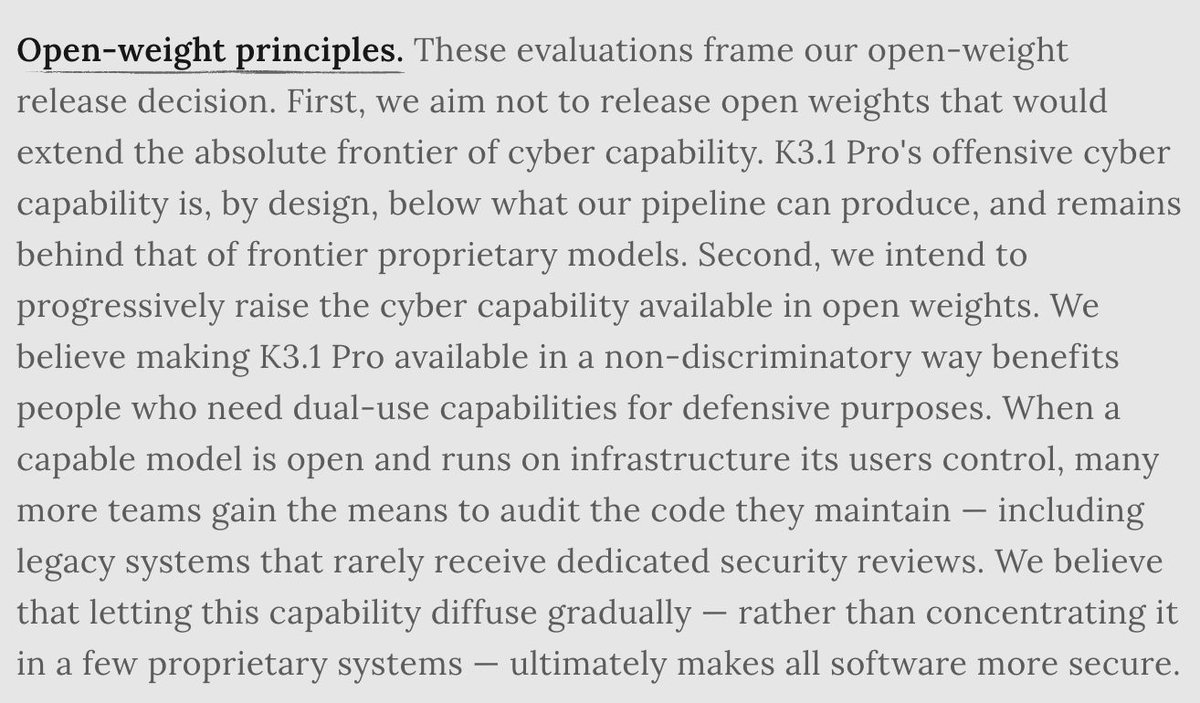
Nathan Lambert highlights the announcement of Kimi 3.1 Pro and describes its reported benchmark scores as exceptionally strong among open models. His assessment is conditional: the weights are promised by November 4, rather than already available in this post. He also notes the team’s discussion of cyber risks. The immediate significance is a new capability claim to evaluate, with independent testing and the promised weight release still needed to establish practical performance.

03

Claude adds MCP Tasks and Elicitations

Claude adds MCP Tasks and Elicitations

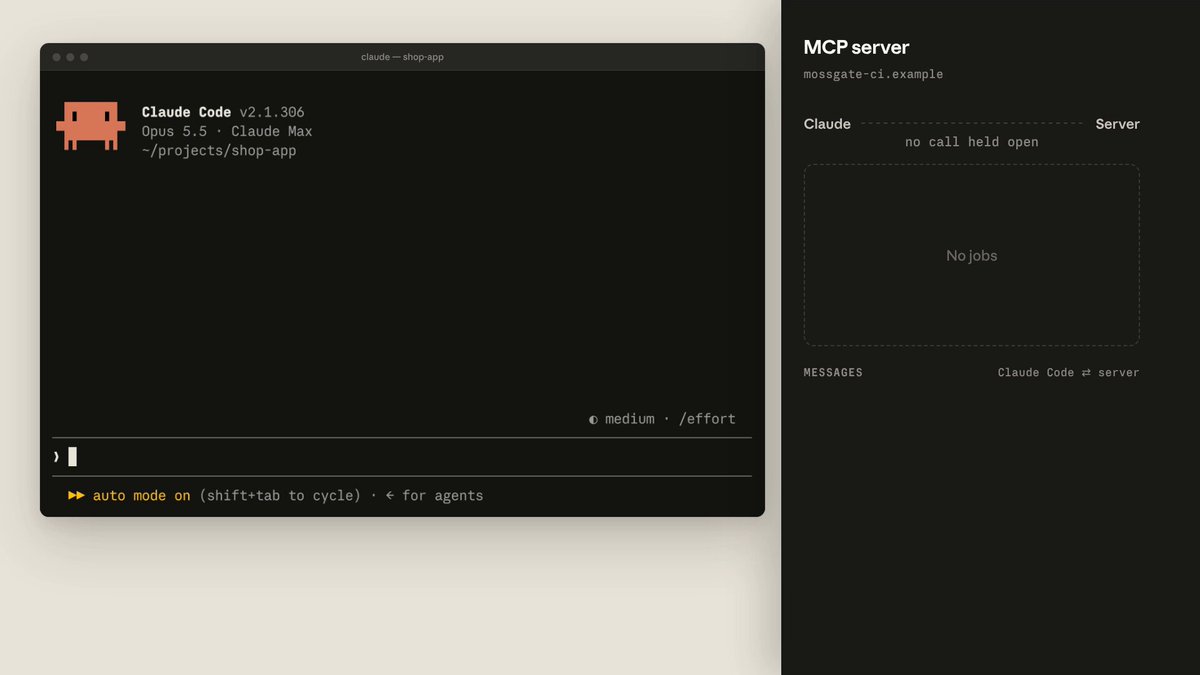
Claude’s developer account announces support for MCP Tasks and Elicitations. The post explains that Tasks let Claude assign long-running work, such as deep research, to plugins and receive results when that work finishes. This expands the interaction pattern beyond a short request and immediate response. For developers building research or reporting integrations, the relevant change is explicit support for work that continues over time; the announcement does not supply implementation details for Elicitations.

04

Anthropic donates Agent Skills to the Agentic AI Foundation

Claude’s developer account says Agent Skills is being donated to the Agentic AI Foundation, which also received MCP. The announcement reports adoption by more than 70 agent platforms since December 2025, including ChatGPT, Cursor, GitHub Copilot, and VS Code. Moving the standard into a shared foundation makes its governance a broader ecosystem issue. The post establishes the announced transfer and adoption claim, but does not describe the foundation’s future technical roadmap.

05

Full Claude API becomes accessible through Google Cloud accounts

Full Claude API becomes accessible through Google Cloud accounts

Claude’s developer account announces a new way to access the full Claude API from a Google Cloud account. Listed capabilities include Claude Managed Agents, code execution, Opus 5.5 fast mode, and new features as they launch. The change matters to teams that already organize their infrastructure around Google Cloud and want access to those capabilities. The collected announcement does not specify prices, regional availability, or how existing deployments should migrate to this access route.

06

Google demonstrates Gemini controlling Blender through MCP

Google demonstrates Gemini controlling Blender through MCP

Google demonstrates Gemini 4 Argon creating a three-dimensional, audio-reactive cathedral scene from a single Nano Banana image. According to the post, the model drives Blender MCP in an autonomous loop inside Antigravity, handling Gothic architecture, camera arrangements, and scene staging. The example shows how a generative model can operate an existing creative application through tools. It is a vendor demonstration, with no collected evidence about repeatability, production cost, or performance across other scenes.

07

Uber rolls out ChatGPT Work to all employees, Brockman says

Uber rolls out ChatGPT Work to all employees, Brockman says

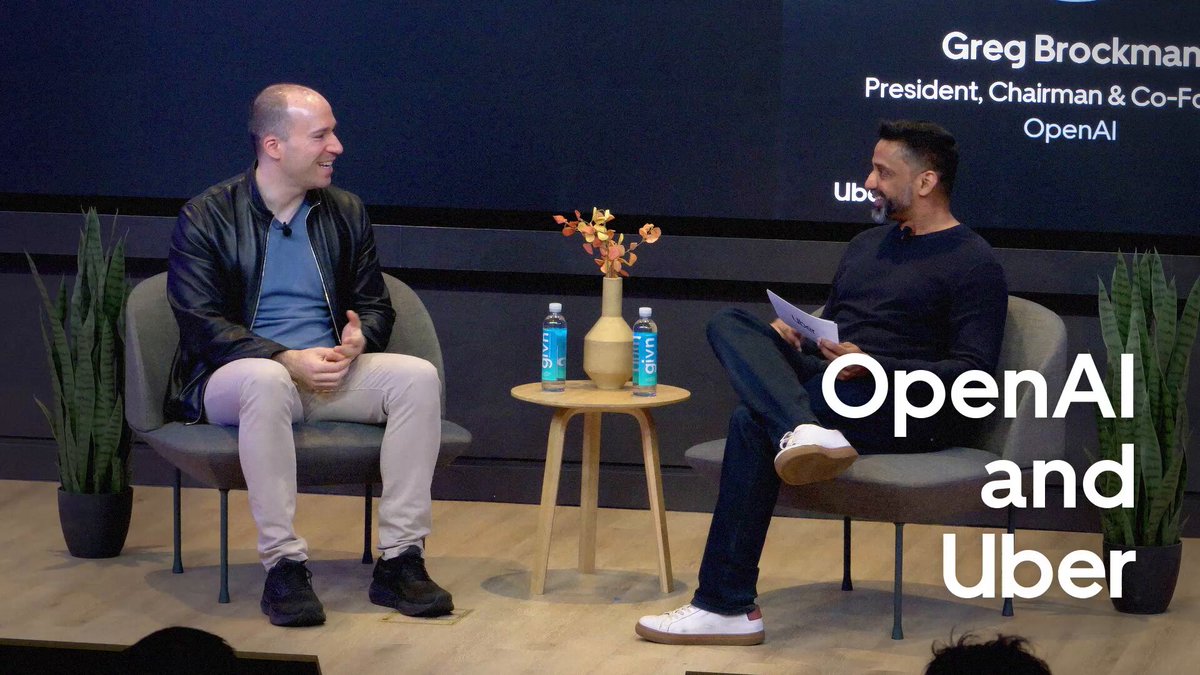
Greg Brockman says OpenAI has worked with Uber to roll out ChatGPT Work to every employee, bringing agentic capabilities across the company. The post presents a broad enterprise deployment rather than a limited departmental trial. It is a useful signal of how organizations are distributing AI tools at scale, although the announcement does not provide usage figures, measurable productivity results, rollout timing, or details about which employee workflows have actually changed.

08

Lambert estimates DeepSeek serves 150 trillion tokens daily on one cluster

Lambert estimates DeepSeek serves 150 trillion tokens daily on one cluster

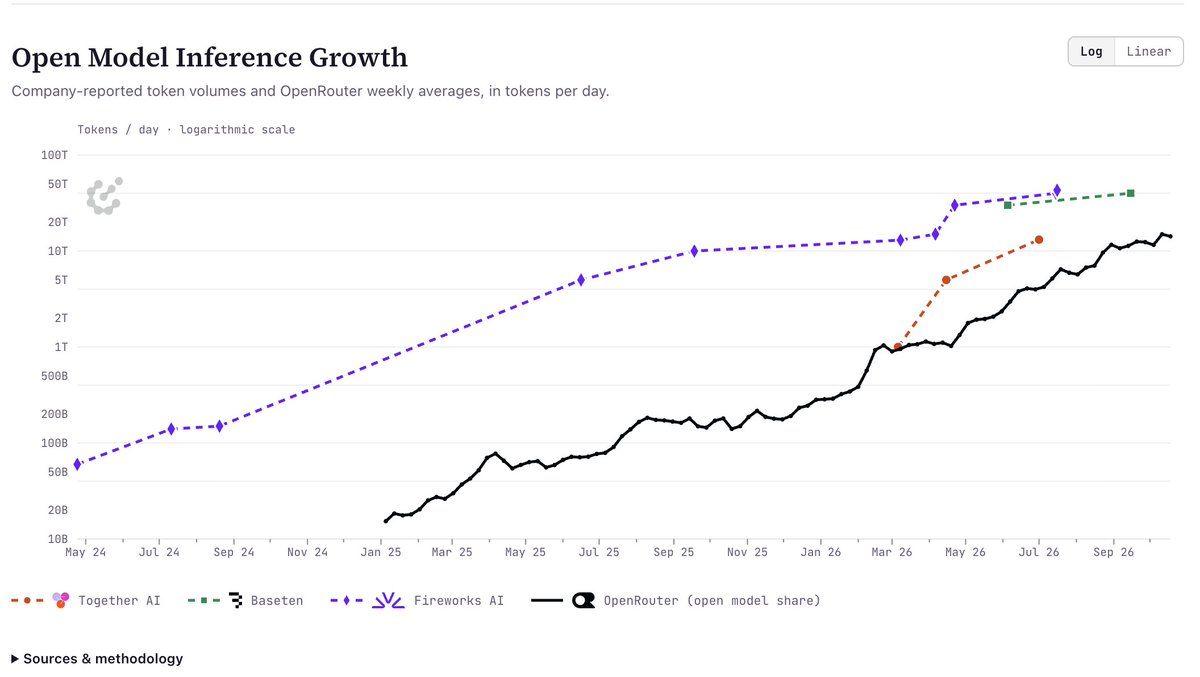
Nathan Lambert presents a reconstruction of inference-volume reports and says DeepSeek serves 150 trillion tokens per day on one cluster. He compares that figure with the combined open-model inference volumes of OpenRouter, Fireworks, Together, and BaseTen. This is an analyst’s synthesis of reported volumes, not an independently audited measurement. The comparison draws attention to the scale of model serving and the importance of checking consistent definitions before treating providers’ token counts as directly comparable.

09

Kling signals full 4.0 API availability on Atlas Cloud

Kling’s account shares an Atlas Cloud announcement that the full Kling 4.0 API is live on that platform. The visible excerpt also says Omni Reference accepts up to 15 references, although the rest of that description is truncated. The useful development is another integration route for developers building video workflows. The collected post does not establish pricing, rate limits, output duration, or whether every capability is available to every account.

GitHub

2 stories
01

AWS publishes an agent toolkit of MCP servers, skills, and plugins

AWS publishes an agent toolkit of MCP servers, skills, and plugins

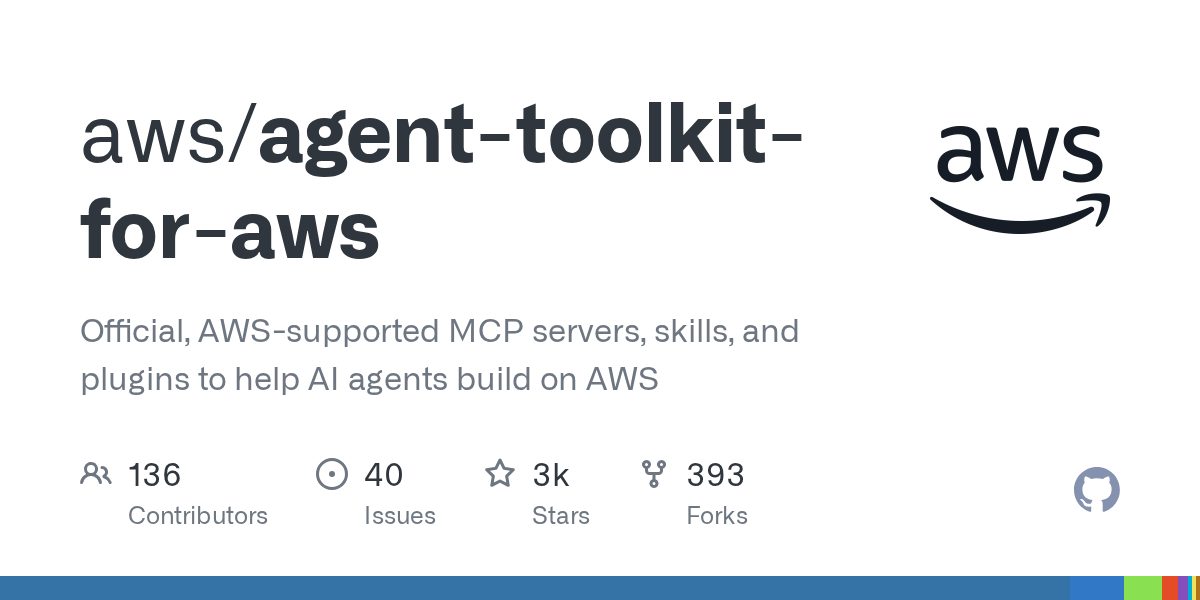
AWS’s agent-toolkit-for-aws repository describes an official, AWS-supported collection of MCP servers, skills, and plugins that help AI agents build on AWS. The project brings several agent integration mechanisms into one supported toolkit. For teams developing cloud-connected agents, it provides a concrete starting point for evaluating available building blocks. The collected repository description does not establish the permissions, coverage, or operational guarantees of each component, which still need review before production integration.

02

Hallmark offers a design skill for coding agents

Hallmark offers a design skill for coding agents

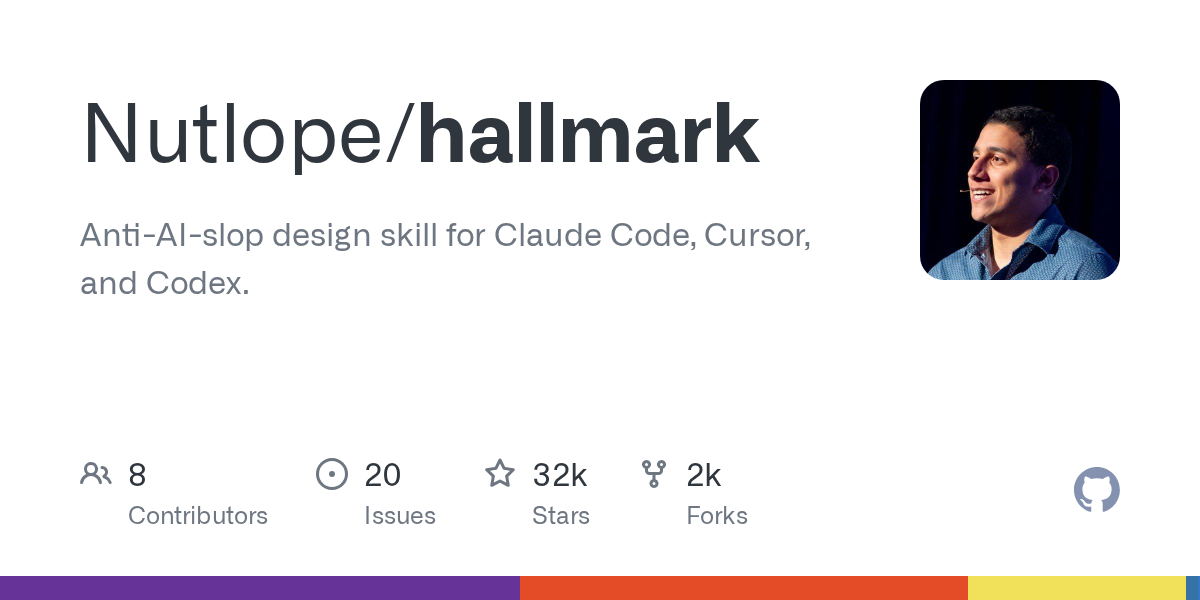
The Hallmark repository describes a design skill intended to reduce generic AI-generated interface styling in Claude Code, Cursor, and Codex. Its relevance is the use of reusable instructions to influence a coding agent’s visual output across different development tools. The collected repository description is a statement of purpose, rather than a comparative design evaluation. Teams considering the project should assess its generated interfaces against their own accessibility, branding, and usability requirements.