NO/FOMO

Independent AI signal, once a day

The AI briefing worth opening.

ISSUE DATE2026-11-01ENGLISH EDITION
This issue
—
All time
—

AI Blog

2 stories
01

a16z discusses Databricks and the future shape of firms
a16z discusses Databricks and the future shape of firms

An a16z essay frames agents and new database technology as forces that could change the shape of firms and the work people perform each day. The Databricks-focused piece is a broader organizational perspective rather than a fresh product announcement. It complements today’s agent stories by asking what happens around the technology: how information systems and delegated tasks might alter the structure of work, not just the speed of individual operations.


02

a16z uses Replit to explore the self-driving company

a16z uses Replit to explore the self-driving company

An a16z essay titled Let Chaos Reign, and Then Rein In Chaos discusses Replit and the idea of a self-driving company. Its framing places AI-enabled software creation within a larger question about how organizations operate. This is a perspective piece from the collected blog window, not evidence that a company can already run without supervision. Read alongside today’s multi-agent coordination report, it offers a useful contrast between organizational ambition and operational constraints.

Hacker News

5 stories
01

Brazilian court sanctions lawyers over prompt injection in a filing

Brazilian court sanctions lawyers over prompt injection in a filing

A report from Jetstream Security describes a Brazilian court sanctioning lawyers for prompt injection in a court filing. The story puts an AI security technique inside an institutional process where documents can influence decisions. It highlights why legal teams adopting language models need to distinguish document content from instructions. The collected headline establishes the reported sanction; it does not establish the precise penalty or the court’s reasoning.

02

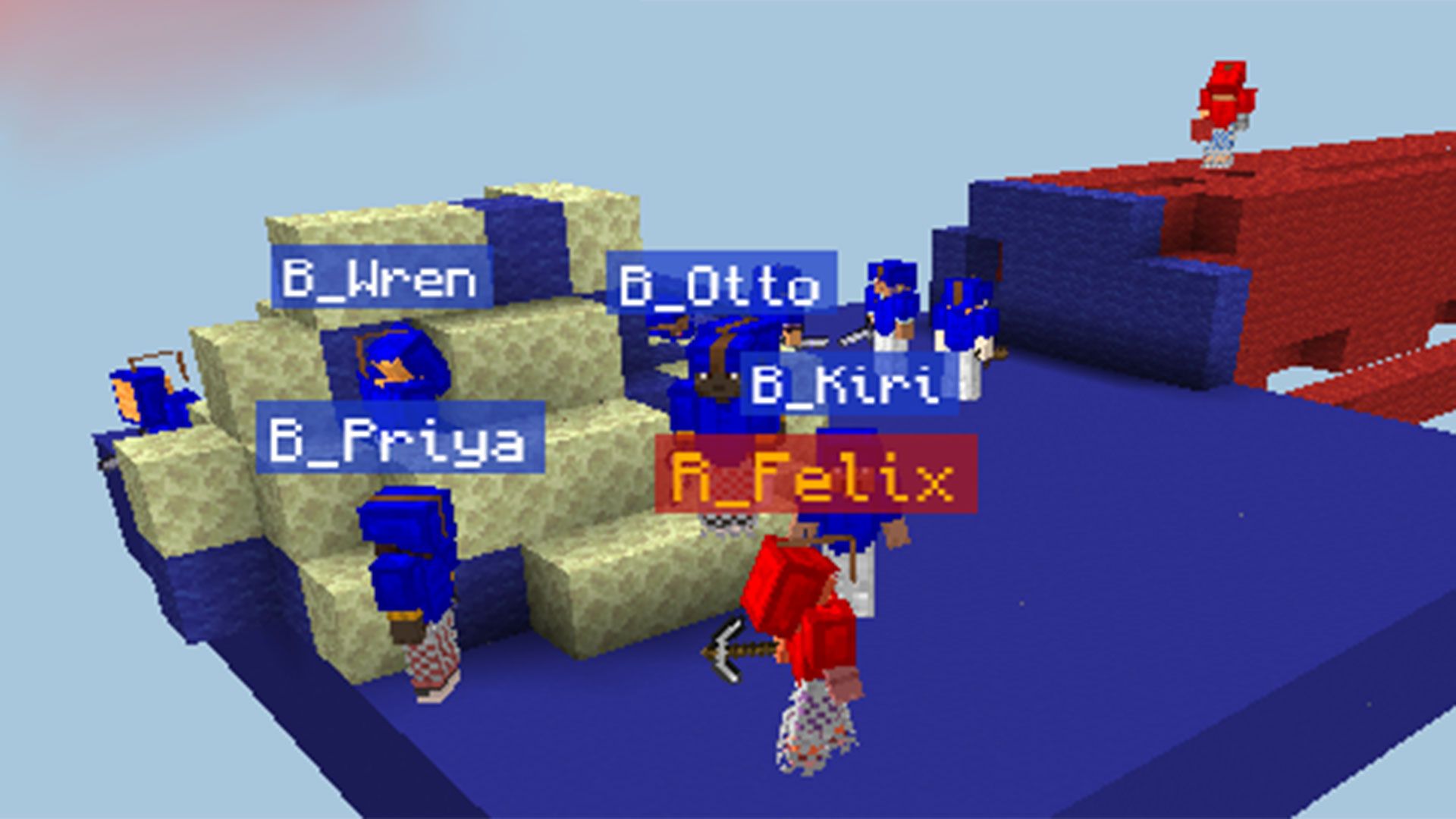
Minecraft agent swarms reportedly stall in bureaucracy

Minecraft agent swarms reportedly stall in bureaucracy

A Tom’s Hardware report describes AI agent teams in Minecraft failing to build a thriving civilization after becoming bogged down in bureaucracy. The linked headline identifies teams of fifty agents, making coordination a central issue rather than simply the ability of an individual model. The result is a useful counterpoint to agent demonstrations: adding participants can introduce organizational overhead, and collective task completion needs evaluation alongside individual capability.

03

JEPA paper examines the Platonic Representation Hypothesis

JEPA paper examines the Platonic Representation Hypothesis

A paper titled Proving and Improving the Platonic Representation Hypothesis with JEPAs drew attention on Hacker News and in posts shared by Yann LeCun. The primary paper is the clearest source for this research story, so duplicate social posts are consolidated here. Its focus connects representation learning with joint embedding predictive architectures. Readers should consult the paper’s assumptions before interpreting the title as a universal claim about every model or modality.

04

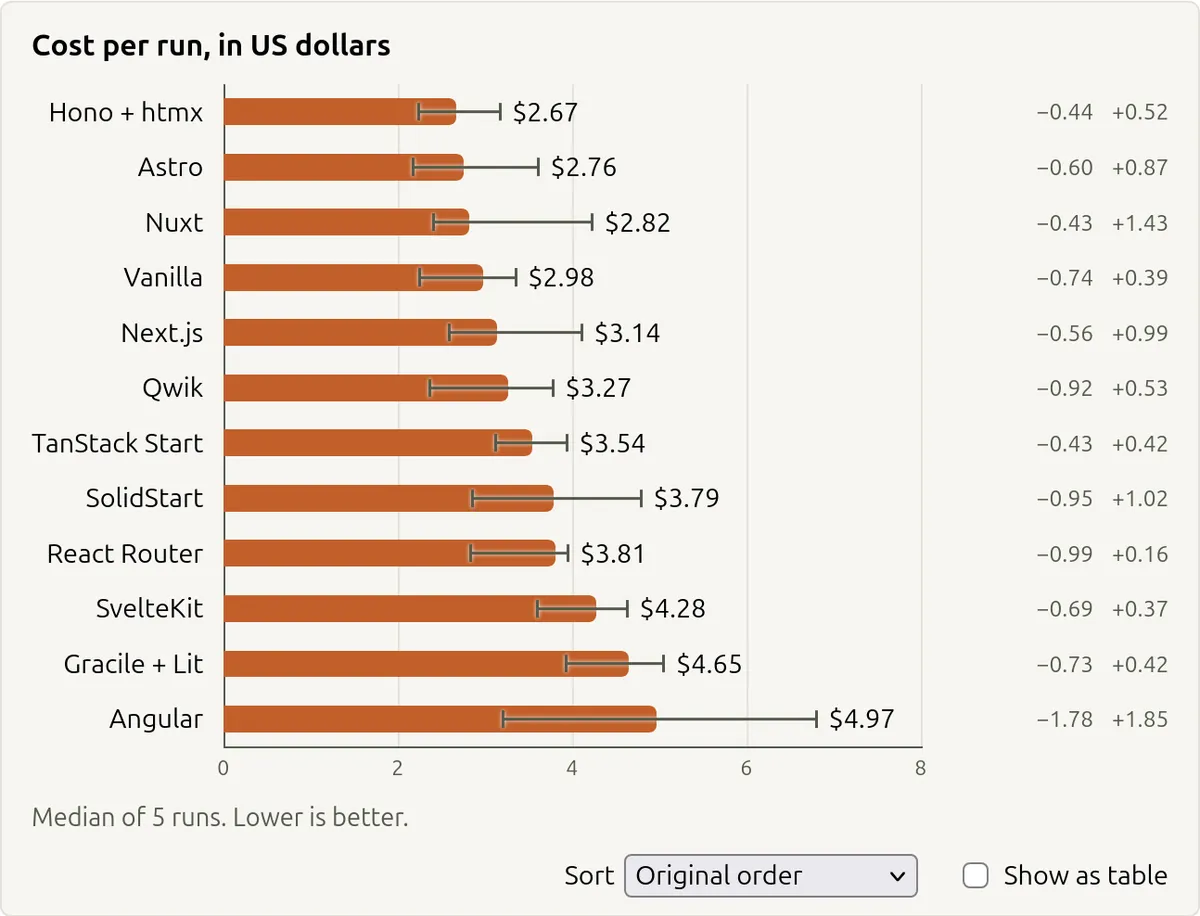
JavaScript framework choices enter the AI cost debate

JavaScript framework choices enter the AI cost debate

Nolan Lawson’s essay on the AI cost of JavaScript frameworks attracted substantial Hacker News discussion, with 188 points and 126 comments at collection time. The subject adds an AI-related dimension to familiar framework decisions: teams increasingly need to consider how their development tools interact with model-assisted work. The collected listing does not include the essay’s measurements, so it supports attention to the question rather than a ranking of particular frameworks.

05

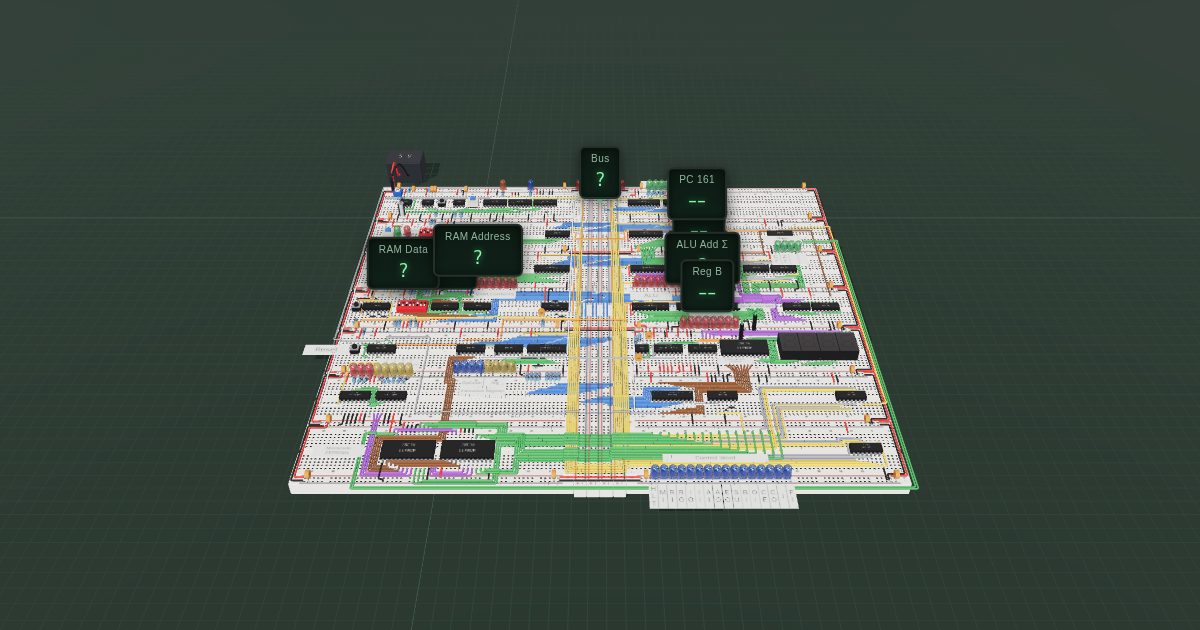
BBRouter connects a virtual breadboard to AI through MCP

BBRouter connects a virtual breadboard to AI through MCP

BBRouter’s creator introduced a three-dimensional breadboard simulator with an MCP connection that lets AI assistants help build circuits or troubleshoot them. The demonstration uses Ben Eater’s eight-bit computer and includes probing, clock control, schematic synchronization, and instructions for a physical build. It is a concrete example of an assistant gaining access to a structured engineering environment, with simulation providing a place to inspect results before reproducing a circuit in hardware.

Twitter

7 stories
01

Google demonstrates a robot built with Gemini agents

Google demonstrates a robot built with Gemini agents

Google says its DeepMind team used AI agents powered by Gemini 4 Argon and Antigravity to bring a robot to life from scratch. The Halloween demonstration gives a concrete example of agents being applied beyond text and software interfaces. It is a company demonstration rather than a general robotics benchmark, but it makes the connection between agent workflows and physical prototyping unusually visible to a broad audience.

02

Michael Black highlights MetaHuman outputs for AI training

Michael Black highlights MetaHuman outputs for AI training

Michael Black highlighted a statement permitting AI model training with outputs from MetaHuman Creator, MetaHuman Animator, and Mesh to MetaHuman. He described the permission as a long-awaited step toward better AI understanding of three-dimensional humans. For researchers using synthetic people, the post points to a potentially useful training-data route. The quoted permission is the substantive news here; the post does not supply a complete licensing analysis.

03

Nathan Lambert argues cyber risk needs a broader model debate

Nathan Lambert argues cyber risk needs a broader model debate

Nathan Lambert argues that open models will be used for cyberattacks, as closed models already have been, while rejecting the idea that open access alone multiplies cybercrime by orders of magnitude. His post locates important bottlenecks elsewhere in the attack process. This is an expert’s policy argument rather than a new incident report or measurement, and it helps frame the continuing debate over access, capability, and practical misuse.

04

Yuntian Deng joins Adaption to work on adaptive interfaces

Yuntian Deng joins Adaption to work on adaptive interfaces

Sara Hooker announced that Yuntian Deng is joining Adaption to help shape research on adaptive interfaces. The post supplies a concrete personnel move and a named research direction, without announcing a model release or performance results. It is relevant to the growing interest in interfaces that adjust to users and tasks, where research choices influence how people interact with AI systems as well as the underlying model behavior.

05

Nathan Lambert questions excessive hedging in AI advice

Nathan Lambert questions excessive hedging in AI advice

Nathan Lambert criticized the experience of asking models such as Claude questions that overlap with legal or healthcare topics. He argues that excessive hedging can steer models away from the actual question instead of helping users navigate ambiguity. The post is a usability critique rather than evidence that safeguards should be removed. It identifies a practical design challenge: providing useful, appropriately bounded answers in areas where uncertainty and consequences both matter.

06

Kling showcases action sequences generated with Kling 4.0

Kling showcases action sequences generated with Kling 4.0

Kling shared a collection of action sequences made with Kling 4.0, emphasizing fight rhythm, movement, and shot precision. The post received more than two thousand likes in the collected snapshot, making it one of the more visible creative-AI items in this batch. The examples offer a view of the company’s intended filmmaking use cases. They are selected demonstrations, so they do not establish reliability across arbitrary prompts or production conditions.

07

Luma demonstrates adapting ads across looks, formats, and languages

Luma demonstrates adapting ads across looks, formats, and languages

Luma Labs described a workflow for changing the look or location of an advertisement and then adapting it for different formats and languages. The post focuses on reuse and variation of creative material rather than announcing a new foundation model. For teams producing multiple versions of campaigns, that workflow is directly relevant. The short demonstration does not provide cost, quality, or turnaround measurements, so its value is as a concrete application example.

GitHub

1 story
01

Lightpanda offers a headless browser aimed at AI automation

Lightpanda describes its open-source browser as a headless browser designed for AI and automation. The Zig repository had 39,820 stars in the collected GitHub snapshot, indicating substantial developer attention. Its positioning makes it relevant infrastructure for agents that need to interact with web content. The collected metadata does not establish compatibility or speed advantages, so teams should evaluate those properties against their own browser workloads before adopting it.