NO/FOMO

Independent AI signal, once a day

The AI briefing worth opening.

ISSUE DATE2026-11-28DEFAULT EDITION
This issue
—
All time
—

AI Blog

1 story
01

SGLang makes speech a tool call in interactive models

SGLang makes speech a tool call in interactive models

SGLang Omni describes a streaming cascade in which the language model chooses speech through a TTS tool, while a session controller stops playback and records what the user heard. This separates generated text from delivered speech and makes interruptions explicit in tool results. Its reported three-sentence tests reduce average median first-audio latency from 1,826 to 567 milliseconds using streamed arguments and a prefilled call opening, with clear tradeoffs around reasoning and interaction control.

Hacker News

5 stories
01

Malicious GGUF models expose a model supply-chain risk

Malicious GGUF models expose a model supply-chain risk

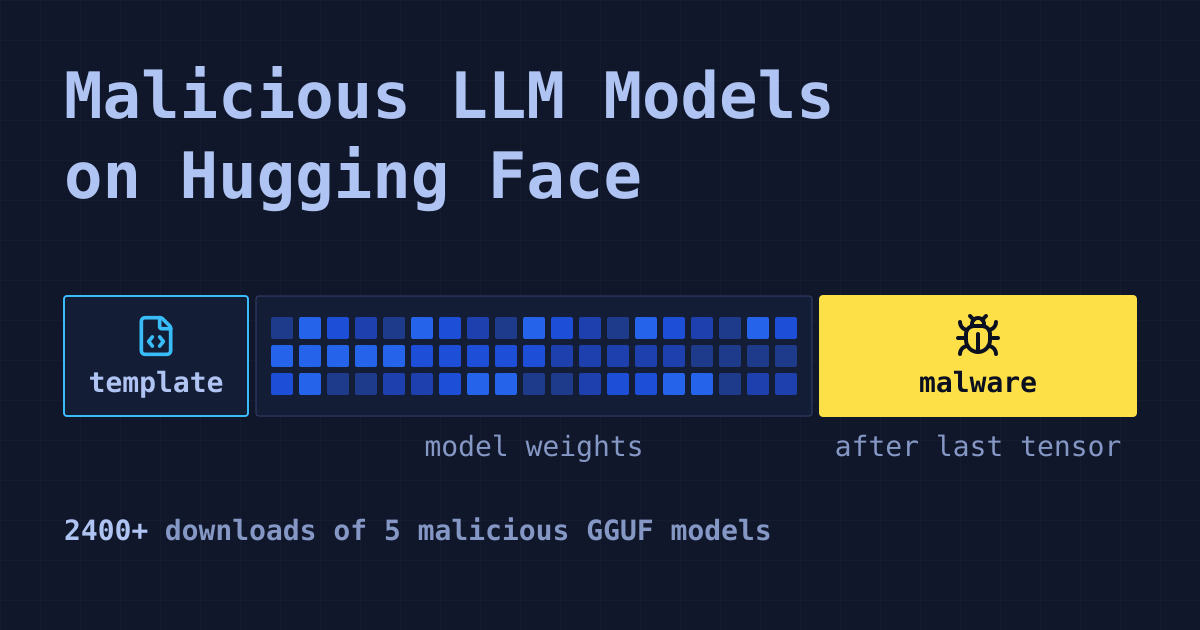
Malspark reports finding five malicious GGUF model repositories on Hugging Face after scanning 3.27 million public repositories. The files had accumulated 2,428 downloads, which does not establish that 2,428 people were infected. The report describes poisoned chat templates and, in one campaign, a Windows payload appended beyond the model tensors. The practical lesson is that model distribution needs checks covering metadata and trailing bytes as well as the weights themselves.

02

Claude Code benchmark finds framing-sensitive performance, not proof of intent

A preliminary study reports 189 Claude Code sessions across GPU kernel optimization and a planted nanoGPT bug. Research-oriented framing reduced the rate of correct, faster kernels by 25% relative to the plain condition and increased costs. The nanoGPT sessions reached the same fix despite taking more turns. The authors explicitly distinguish measured degradation from intent and disclose that checker comments exposed the study premise, making independent replication especially important.

03

Heretic maintainer announces repository archival

Heretic maintainer announces repository archival

The Heretic maintainer has announced the end of their work on the project and plans to archive its repository to preserve the current state and prevent issue and pull-request spam. The announcement invites contributors to organize independently and decide whether to continue, without naming a successor or prescribing infrastructure. For users of the project, the immediate development is a maintenance transition with no designated continuation, making community coordination the next practical question.

04

Koppar brings its AI-designed LTE modem into working hardware

Koppar brings its AI-designed LTE modem into working hardware

Koppar says its USB-C LTE modem now registers on 4G, exchanges texts and makes calls with computer audio. The useful detail is the human work behind that result: a datasheet review identified twelve problems, all fixed before ordering, and the copper was redrawn by hand. Bring-up also exposed assembly and firmware issues. The open-hardware example offers concrete evidence for AI-assisted board design while showing why design checks and physical validation remain essential.

05

Fleetlayer connects AI agents across machines

Fleetlayer's creator introduced a control plane and node binary for coordinating AI agents across laptops, virtual machines and home servers. The project describes cross-machine messaging, shared tools, browser access, approvals, audit logs and centralized sign-ins, addressing friction from managing many agent sessions and accounts. This is a developer launch rather than an independent reliability assessment, but its scope captures an increasingly practical problem: governing the resources and permissions of distributed agent workflows.

Twitter

8 stories
01

Kling highlights 10-bit HDR video output

Kling highlights 10-bit HDR video output

Kling's official account highlights 10-bit HDR output in both 4K and 1080p for Kling 4.0, accompanied by creator examples. The post focuses on color, lighting and visual detail rather than publishing a comparative evaluation. For generative-video workflows, output format is a concrete production consideration alongside visual quality: creators need to assess how generated footage fits their editing and display pipeline. The announcement supplies a capability claim, not independent evidence of fidelity.

02

François Chollet challenges sweeping AI mathematics claims

François Chollet challenges sweeping AI mathematics claims

François Chollet pushes back on a sweeping claim about mathematical progress in 2026, calling the comparison with the preceding 140 years engagement farming. His post explicitly says he values automated theorem proving, so the objection is to the scale and framing of the claim rather than the field itself. Amid prominent discussions of AI-generated proofs, the distinction matters: a useful computational contribution and a historical claim about an entire discipline require different evidence.

03

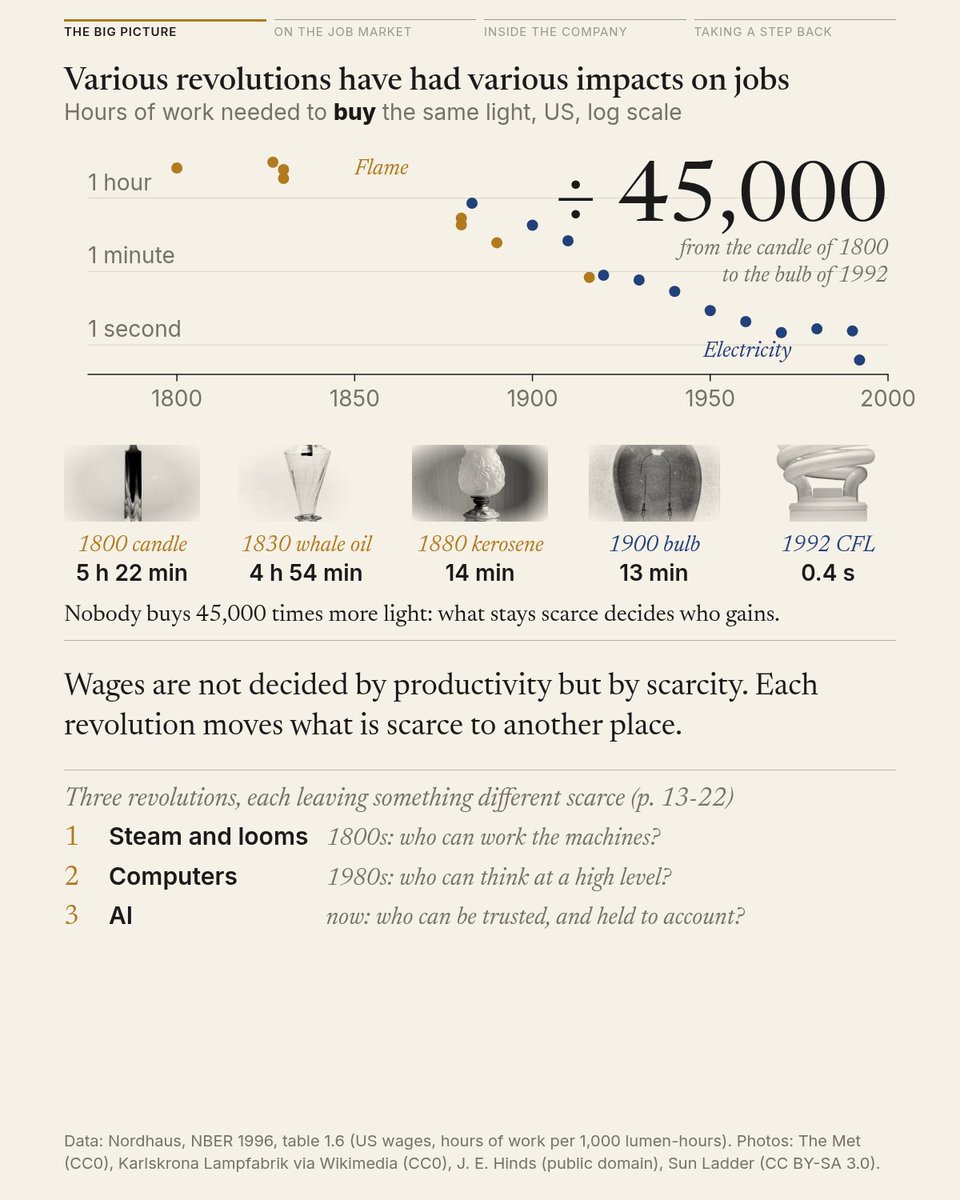
Thomas Wolf spotlights the economics of AI and messy jobs

Thomas Wolf spotlights the economics of AI and messy jobs

Thomas Wolf recommends Messy Jobs by Luis Garicano, Jin Li and Yanhui Wu, sharing a fifteen-card primer on its treatment of AI, employment and the wider economy. The post is a reading recommendation rather than a new labor-market measurement, but its substantial engagement signals interest in how AI changes work beyond benchmark scores. For readers evaluating automation, the useful next step is examining the book's arguments rather than treating the endorsement as evidence of outcomes.

04

DeepMind demonstrates a Gemini 4 Neon interactive build

DeepMind demonstrates a Gemini 4 Neon interactive build

Google DeepMind shared a Gemini 4 Neon demonstration that codes a Rube Goldberg machine inside a retro arcade. The official post says the build uses Antigravity, simulated physics and a Lyria 3.5 synthesizer track, combining software generation with audiovisual presentation. It is a curated demonstration rather than a controlled capability comparison. Still, the example illustrates the product direction of assembling interactive experiences from multiple generative components instead of limiting model output to prose.

05

Anthropic showcases Claude Fable 5.2 learning explorations

Anthropic showcases Claude Fable 5.2 learning explorations

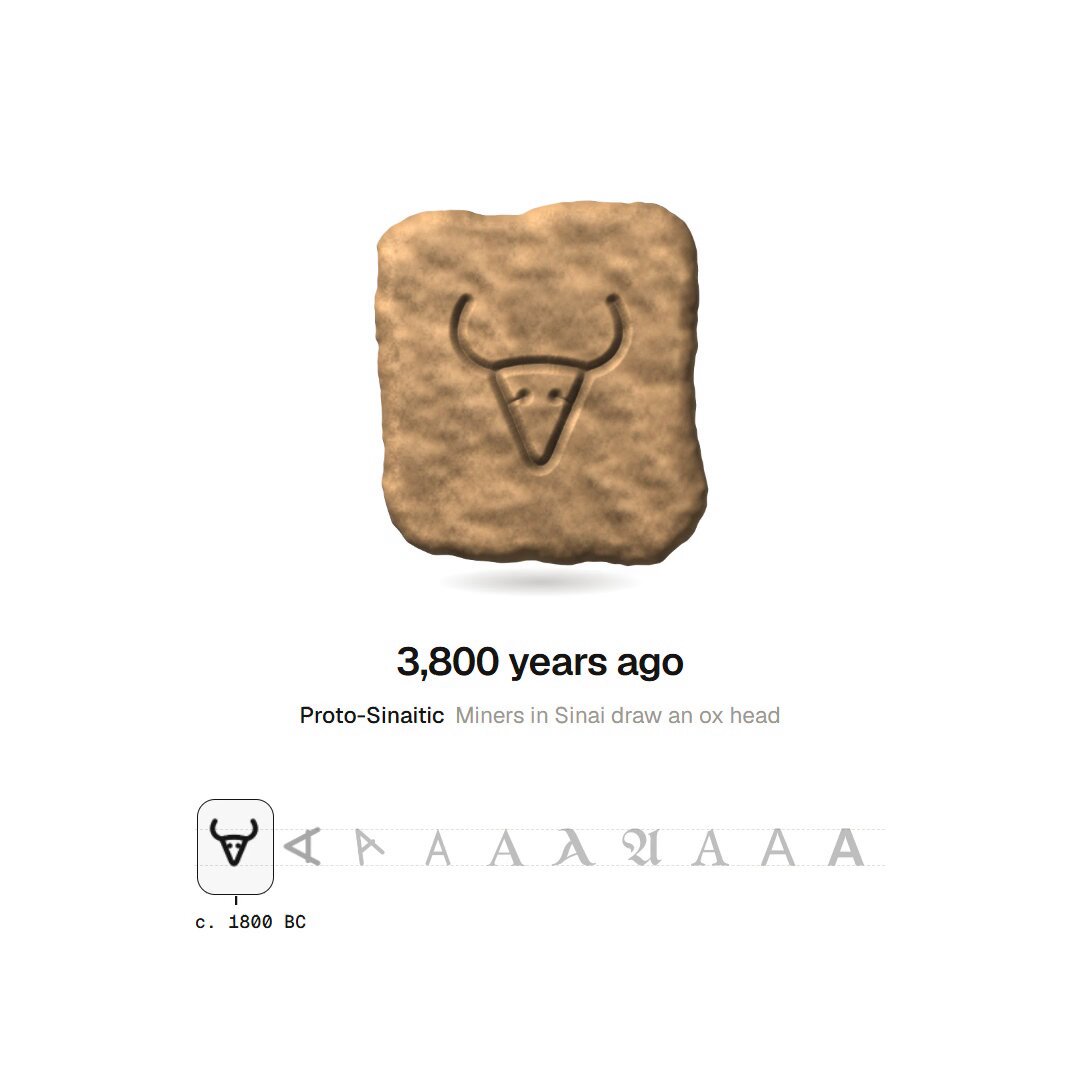
Anthropic's Claude account marks two weeks since Claude Fable 5.2's release by showcasing how people have explored the model, including an explanation of the letter A across alphabets. The post offers a concrete educational use case but provides no comparative accuracy or learning-outcome data. Its significance is the emphasis on exploratory learning experiences: frontier-model vendors are showing how users can navigate a subject, while the quality of the underlying explanations still needs evaluation.

06

Greg Brockman highlights AI-assisted defenses for new CVEs

Greg Brockman highlights AI-assisted defenses for new CVEs

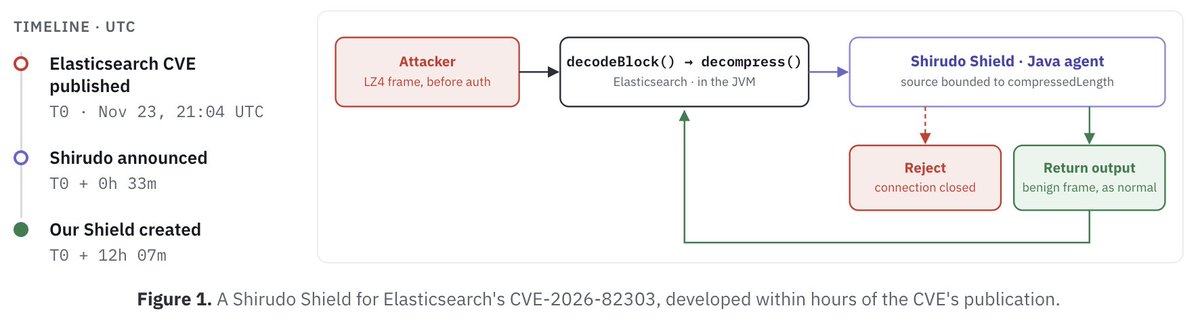
Greg Brockman shared an example described as writing Shirudo Shields to defend against fresh CVEs. The post points to AI-assisted defensive engineering, but the collected text does not supply vulnerability coverage, deployment results or an evaluation of the generated defenses. The relevant development is the application direction: using coding assistance to respond to newly disclosed vulnerabilities. Security teams would still need to validate that any generated protection addresses the actual exploit conditions without breaking legitimate behavior.

07

Brockman promotes ChatGPT Ads for smaller brands

Brockman promotes ChatGPT Ads for smaller brands

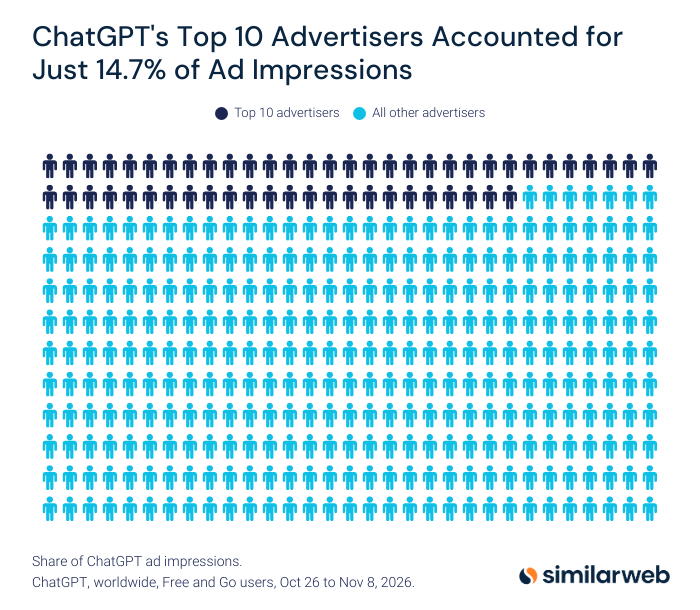
Greg Brockman presents ChatGPT Ads as opening opportunities for smaller brands to compete. The collected post is a business claim without pricing, eligibility details or measured advertiser results, so it should not be read as proof of improved returns. It nevertheless highlights an important commercial direction for conversational AI: turning user attention into an advertising channel. For smaller advertisers, the material questions are access, campaign economics and how advertising appears within the user experience.

08

Brockman highlights GPT-6.2 Astra for performance optimization

Greg Brockman highlights GPT-6.2 Astra as useful for performance optimization. The collected post offers a capability endorsement rather than enough detail to establish a reproducible speedup, workload range or correctness guarantee. For coding-agent users, the application is significant because optimization requires more than producing plausible code: improvements must survive measurement and regression checks. The demonstration is therefore a lead for practical evaluation, with the performance claim remaining attributed to its source.